Marine habitat

The Marine System encompasses all coastal areas not appreciably diluted by freshwater (surface salinities seldom falling below 30 ppt), including open coastal areas, straits, and euhaline inland waters.  It can extend from the outer edge of the continental shelf to (1) the landward limit of tidal inundation or wave splash or (2) the seaward limit of the Estuarine System.

Source:

Dethier, M.N. 1990. A marine and estuarine habitat classification system for Washington State. Natural Heritage Program, WA DNR, Olympia, WA. 60 pp.

Overview

Each year, the Puget Sound Ecosystem Monitoring Program releases the annual Puget Sound Marine Waters Overview report. The latest report combines a wealth of data from comprehensive monitoring programs and provides a concise summary of what was happening in Puget Sound’s marine waters during 2022. The report represents the collective effort of 84 contributors from federal, tribal, state, and local agencies, academia, nonprofits, and private and volunteer groups.

Image of a sailboat on the water at sunset.Text overlay reads: Puget Sound Marind Waters 2022 Overview.

Related Articles

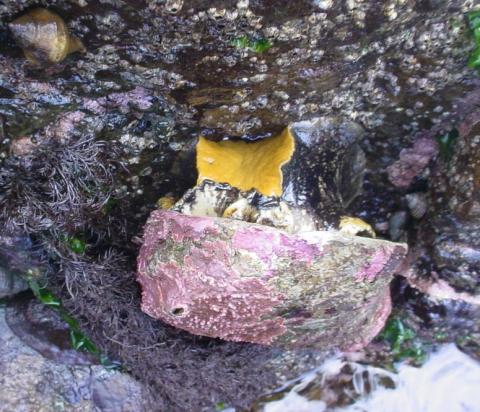
Many types of bivalves, both native and non-native, flourish in Puget Sound. These species are a crucial part of the Puget Sound ecosystem and are also important for commercial fisheries.

Washington State's ocean acidification initiative began with the launch of Governer Christine Gregoire's Blue Ribbon Panel on Ocean Acidification in December 2011. The initiative is the first of its kind in the country, and a report commissioned by the Global Ocean Health Program was released in November 2012. The report is a first step towards assessing and improving the tools at hand.

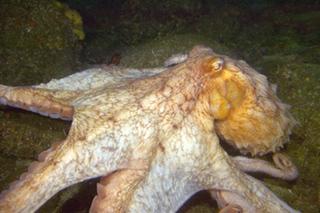
GIANT PACIFIC OCTOPUS (Enteroctopus dofleini) is the largest species of octopus in the world. It is found in the northern Pacific Ocean from the northwest coast of the continental United States to Japan, including Puget Sound.

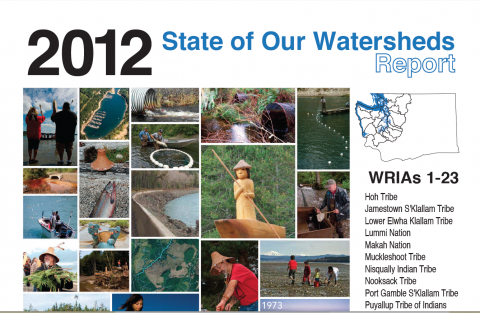
The State of Our Watersheds Report is produced by the treaty tribes of western Washington, and seeks to present a comprehensive view of 20 watersheds in the Puget Sound region and the major issues that are impacting habitat.

Protection Island, a National Wildlife Refuge in the Strait of Juan de Fuca, provides important habitat for seabirds and marine mammals.

An independent review conducted by the Puget Sound Institute (PSI) is featured in findings by the Environmental Protection Agency and the Washington State Department of Ecology that there is currently “no compelling evidence” that humans are the cause for recent trends in declines in dissolved oxygen in Hood Canal.