

Overview
The Puget Sound ecosystem is shaped by its physical environment. This article looks at Puget Sound's geologic history as well as dynamic factors such as the flow of its rivers and currents.

The Puget Sound ecosystem is shaped by its physical environment. This article looks at Puget Sound's geologic history as well as dynamic factors such as the flow of its rivers and currents.
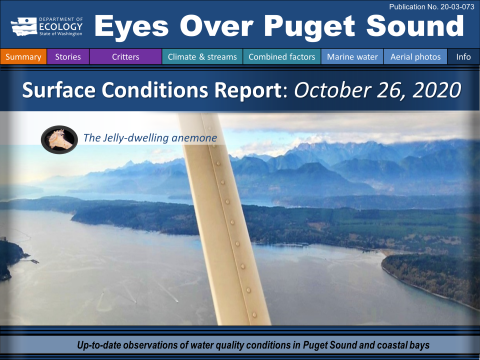
After a relatively warm summer and fall, and La Niña forming in the tropics, stream flows in the Puget Sound region are now relatively normal. Summer in Puget Sound produced lots of algal and organic material in the water and on beaches, which by October have disappeared. Kelp beds look strong in northern Puget Sound and the Straits; and the harvest of the annual chum salmon run is in full swing in Hood Canal. Jellyfish aggregations are visible in Budd and Sinclair Inlets — and some of the jellyfish might conceal a beast of another kind within. Oil sheens on the water are currently numerous.

A 2020 Base Program Analysis from the University of Washington Puget Sound Institute presents an overview of the programs, policies and initiatives that support the Puget Sound Partnership’s Land Development and Cover Implementation Strategy.

The Elwha River has become famous as the site of the largest dam removal project in U.S. history. Several years ago, scientists began knocking down another barrier about a mile away from the river's delta. They removed a large seawall along the Salish Sea shoreline and discovered that sediment from the dam removal had huge benefits for their project.

After a wet January, precipitation has been low and air temperatures have been cooler. As a result, rivers gages are lower than expected, a pattern that has continued since last year. In March we approached the coldest water temperatures of the year. Herring are spawning in Port Madison. Although these cool temperatures are good for herring, temperatures are close to the survival limits for anchovies. If you can handle these temperatures, now is a good time to go diving to benefit of good underwater visibility, just avoid windy days near wave-exposed beaches. If you are lucky, you might see the kelp humpback shrimp, a master of camouflage.

Climate models project that if carbon emmisions continue as they are now, the vast majority of watersheds feeding Puget Sound will receive more rain and far less snow by 2080, causing increased flooding and other dramatic changes to the freshwater ecosystem. We look at the past and possible future of the region's snowpack and what this might mean for salmon and other species — including humans.

Freshwater habitat in the Puget Sound region consists of rivers, marshes, streams, lakes and ponds that do not have any saltwater input. Many species depend on these freshwater resources, including salmon, salamanders, frogs, and beavers.