

All Articles
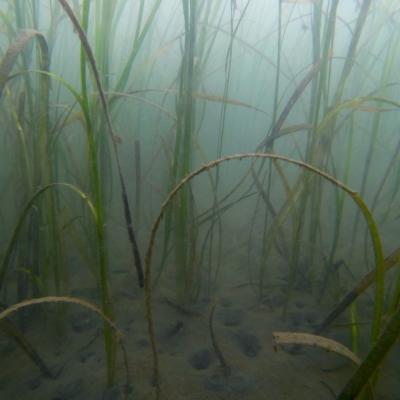
Ocean acidification may be twice as extreme in Puget Sound’s seagrass habitats, threatening Dungeness crabs
Ocean acidification could be up to twice as severe in fragile seagrass habitats as it is in the open ocean, according to a study published last April in the Proceedings of the National Academy of Sciences. The conditions may threaten Dungeness crabs by 2050 and will be especially pronounced in the winter, the study says.
Stormwater mimics oil spill's effect on Pacific herring
Pacific herring exposed to stormwater in Puget Sound show some of the same effects as fish exposed to major oil spills. Symptoms include heart and developmental problems.
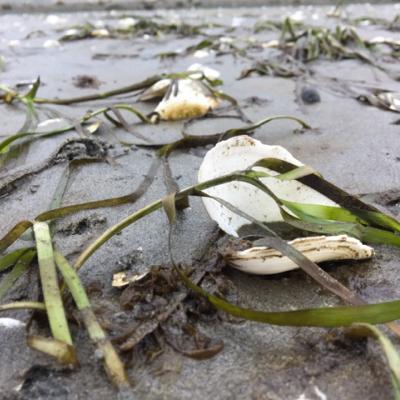
Diving deeper to understand eelgrass wasting disease
New studies show that eelgrass wasting disease is more common in warmer waters, leading to concerns over the future effects of climate change on eelgrass populations in Puget Sound. We continue our series on science findings from the 2018 Salish Sea Ecosystem Conference.
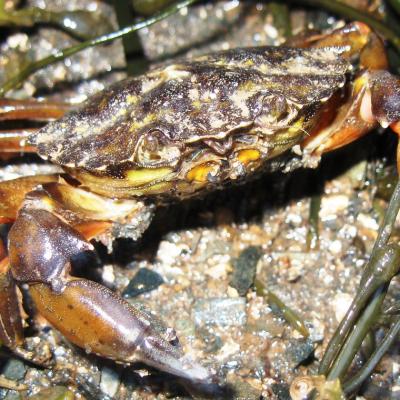
Where did the Puget Sound green crabs come from? We’re still not sure
Genetic testing shows that invasive European green crabs in Puget Sound likely did not come from the Sooke Basin in British Columbia as previously thought. New findings on the crab's origins were presented at the 2018 Salish Sea Ecosystem Conference in Seattle.
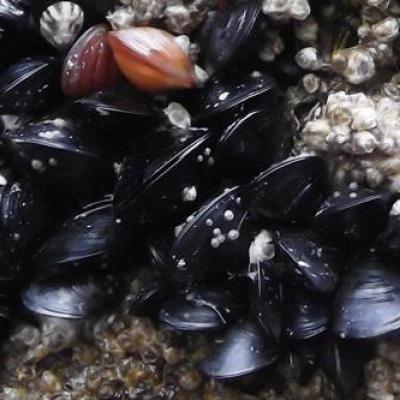
Bay mussels in Puget Sound show traces of oxycodone
State agencies tracking pollution levels in Puget Sound have discovered traces of oxycodone in the tissues of native bay mussels (Mytilus trossulus) from Seattle and Bremerton area harbors. The findings were presented at the 2018 Salish Sea Ecosystem Conference in Seattle.
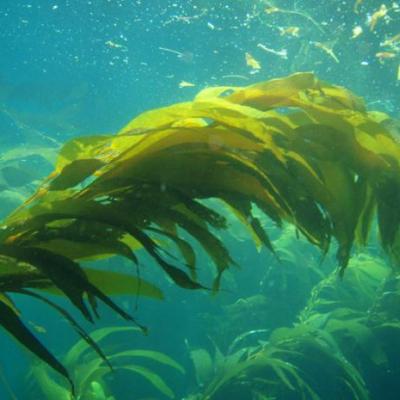
Kelp
Kelps are large seaweeds in the order Laminariales that form dense canopies in temperate rocky intertidal and subtidal habitats less than 30 m in depth. The kelp flora of the Pacific Northwest is one of the most diverse in the world.
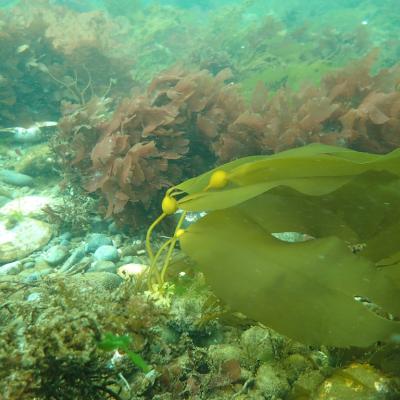
Kelp continues steady decline in Puget Sound
Scientists are trying to learn how to restore Puget Sound’s diminishing kelp forests in an effort to stave off habitat loss for rockfish and other threatened species.
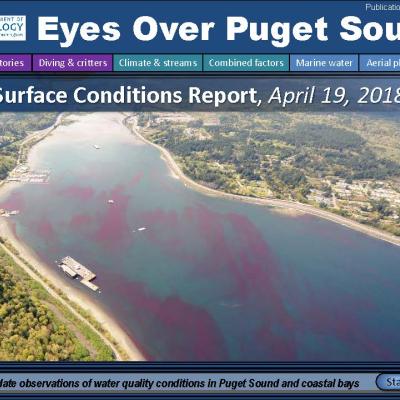
Eyes Over Puget Sound: Surface Conditions Report – April 19, 2018
By March, regional impacts of large-scale climate patterns normalized, and air temperatures, precipitation, and coastal downwelling were below normal. April brought abundant rain and rivers responded. With La Niña returning to ENSO-neutral conditions, will the favorable snowpack maintain beneficial streamflows through summer? In 2018, water conditions in Puget Sound are mostly expected, except in
Panel explores digital tech’s role in Salish Sea recovery
Bridging the gap between nature and technology might be a challenge for the Puget Sound region, but tech leaders could play an important role in protecting and restoring the ecosystem, according to a panel of experts at last week’s Salish Sea Ecosystem Conference in Seattle.
Future of orcas takes center stage at Salish Sea conference
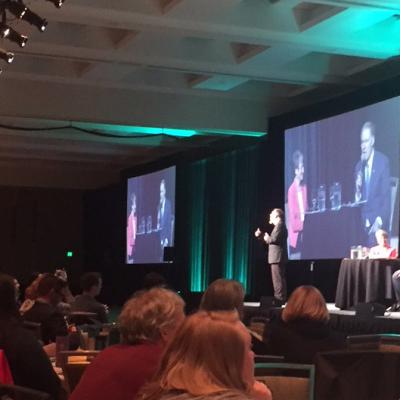
Gov. Jay Inslee joined former Interior Secretary Sally Jewell to open three days of science talks at the Salish Sea Ecosystem Conference in Seattle. The conference includes about 700 scientific presentations on topics ranging from orcas to habitat restoration, from climate change to toxic chemicals.