

All Articles
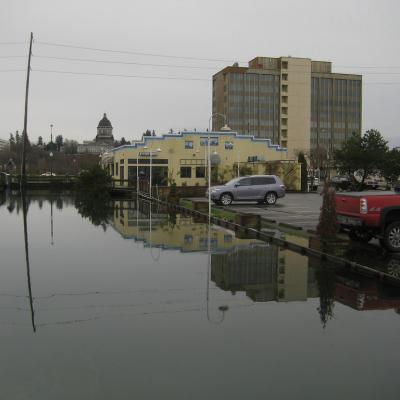
Average high tides are creeping higher in Puget Sound
The average worldwide sea level has increased more over the past 150 years than during the previous 1,500 years, experts say, and the seas continue to rise at an ever-increasing pace.
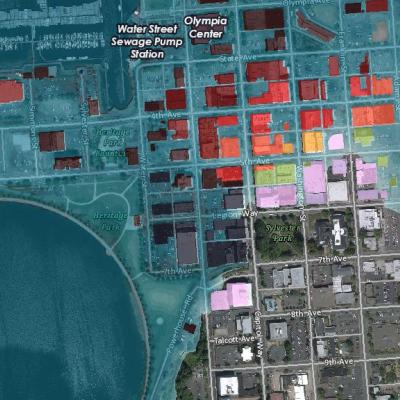
Local governments begin to plan for higher tides
Planning for rising seawater in Puget Sound has often focused on public property such as roads, buildings and utilities. Now local governments are looking more closely at private property despite regulations based on traditional flooding history.
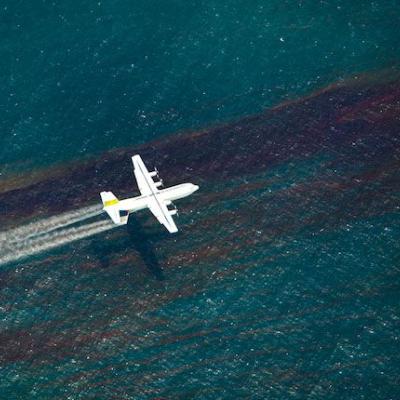
Oil dispersant effectiveness and ecological consequences in San Juan County marine waters
A 2017 report from the University of Washington summarizes current scientific knowledge on chemical oil spill dispersants and their potential impacts on shoreline habitats in San Juan County, Washington.
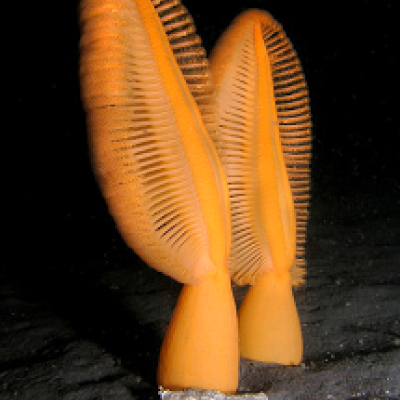
The Orange Sea Pen
The Orange Sea Pen, also called the Fleshy Sea Pen or Gurney’s Sea Pen, resembles a colorful autumn tree waving in the “breeze” of moving water currents. Article courtesy of the Washington Department of Ecology's Eyes Under Puget Sound series.
Using mineralogy and higher-level taxonomy as indicators of species sensitivity to pH: A case-study of Puget Sound
Scientists from NOAA's Northwest Fisheries Science Center (NWFSC) developed publicly searchable database of nearly 3,000 Puget Sound species to study whether species having calcium carbonate shells are more or less vulnerable to ocean acidification. Their findings published in the journal Elementa question previous assumptions that shell-building organisms are more vulnerable.
Water sampling and testing for formaldehyde at Northwest fish hatcheries
Formaldehyde is often used to control parasites on hatchery salmon and trout. The U.S. Environmental Protection Agency and the Washington State Department of Ecology conducted a joint study of formaldehyde concentrations in effluent from hatcheries in the Pacific Northwest.
Eyes Over Puget Sound: Surface Conditions Report August 28, 2017
Warm air temperatures, abundant sunshine, and drier conditions persisted. River flows are lower in the north. Puget Sound waters are still fresher than in the past 17 years from the combination of abundant spring rain and weak upwelling bringing less salty water from the ocean. July upwelling was stronger, however. Warmer water temperatures are notable in parts of Central Sound, accompanied by
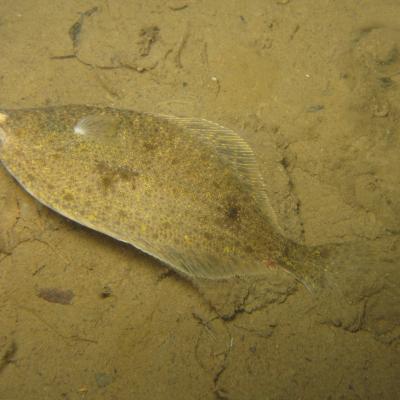
PCBs in fish remain steady while other toxics decline
A new study shows a surprising decline in some toxic chemicals in Puget Sound fish, while levels of PCBs increased in some cases. Scientists say the study shows that banning toxic chemicals can work, but old contaminants remain a challenge as they continue to wash into Puget Sound.
Monitoring helps to reveal hidden dangers in the food web
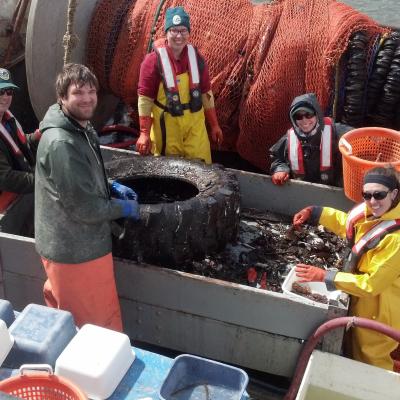
Toxic chemicals have been showing up in Puget Sound fish for more than a century, but consistent testing over the past 30 years has helped to reveal some unusual patterns of pollution.
2016 Salish Sea Ecosystem Conference
The 2016 Salish Sea Ecosystem Conference took place April 13-15 at the Westin Bayshore in Vancouver BC. Over 1100 scientists and policy experts attended.