

All Articles
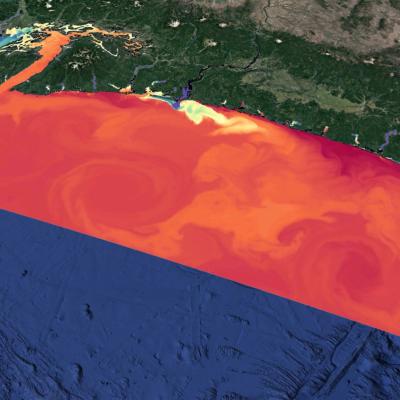
LiveOcean: Pacific Northwest ocean and estuary forecasts
LiveOcean is a computer model simulating ocean water properties in Puget Sound and the Pacific Northwest. It is produced by the University of Washington Ocean Modeling Group and makes three-day forecasts of currents, temperature, salinity and many biogeochemical fields including harmful algal blooms.
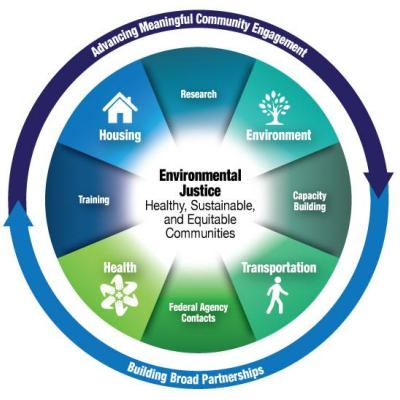
Environmental justice
Environmental justice is the fair treatment and meaningful involvement of all people regardless of race, color, national origin, or income, with respect to the development, implementation, and enforcement of environmental laws, regulations, and policies.
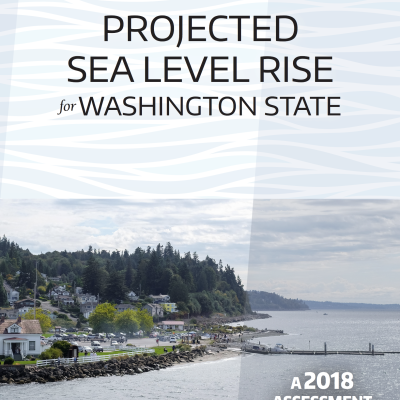
Projected sea level rise for Washington State
A report from the Washington Coastal Resilience Project provides an updated assessment of projected sea level change for coastal Washington State and its relationship to coastal hazards such as flooding and erosion.
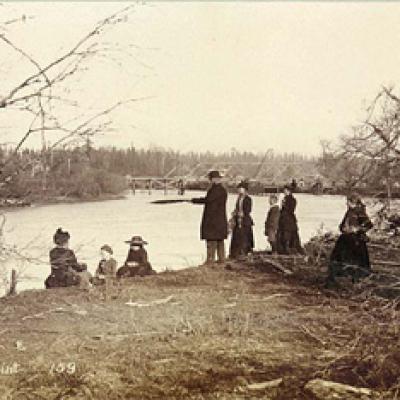
Puget Sound River History Project
The Puget Sound River History Project at the University of Washington features historical topographic data for Puget Sound's river systems.
Puget Sound Shoreline Parcel Segmentation Report
A 2014 report prepared by Coastal Geologic Services, Inc. examines spatial patterns in Puget Sound shoreline characteristics at the parcel-unit scale. It was developed in support of a social marketing strategy by state agencies to reduce shoreline armoring in the region.
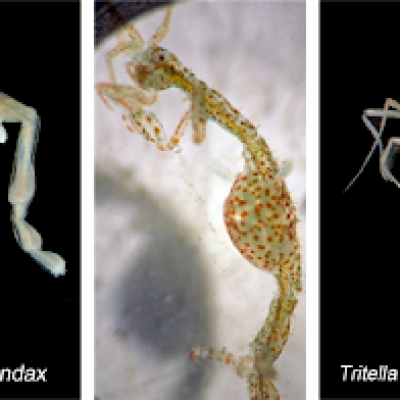
Eyes Under Puget Sound: Critter of the month – the skeleton shrimp
There are more than a half dozen species of skeleton shrimp in Puget Sound. The Washington State Department of Ecology profiles this unusual crustacean in its Eyes Under Puget Sound series.
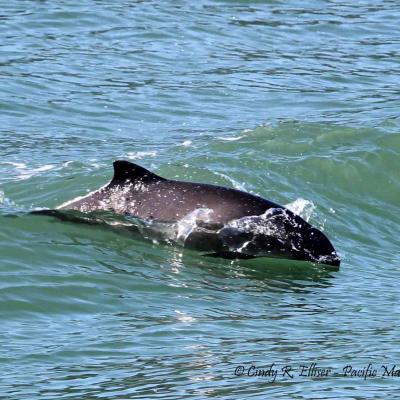
Harbor porpoises become increasing players in the Puget Sound food web
With a population growth of about 10 percent per year in inland waters, harbor porpoises are having an undetermined but growing effect on food dynamics in Puget Sound.
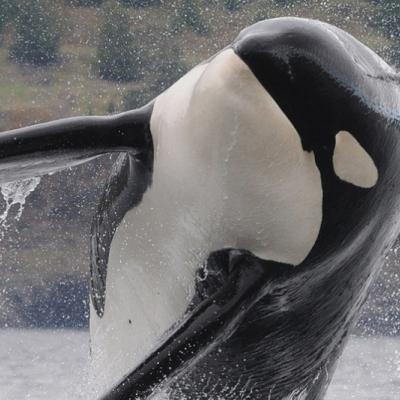
Sightings of southern resident killer whales in the Salish Sea 1976−2014: the importance of a long-term opportunistic dataset
A 2018 paper in the journal Endangered Species Research analyzes southern resident killer whale sightings in the Salish Sea between 1976 and 2014.
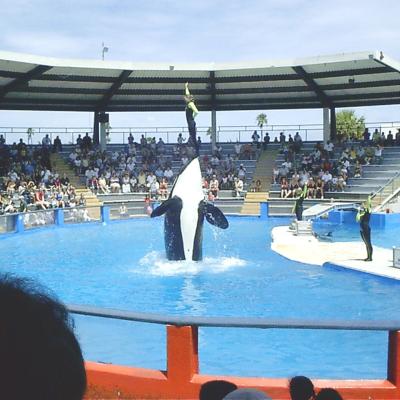
Orca captures for aquariums
Between 1962 and 1973, at least 263 killer whales were caught or killed in the waters of British Columbia and Washington (Bigg and Wolman 1975). Twelve of these died during capture and fifty were kept for display in aquariums. The remainder of the captured animals escaped or were released. Twenty-seven of the whales kept as captive were taken from the population now designated as endangered
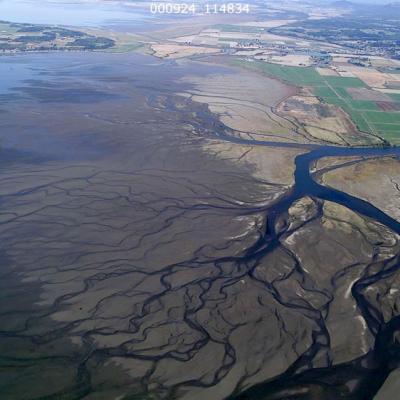
The mosaic of deltas and other estuarine ecosystems in Puget Sound
The diversity and complexity of estuarine ecosystems is vital to the overall health of Puget Sound. This summary fact sheet focuses on the current state of these ecosystems in Puget Sound—large river deltas, embayments, their interconnecting beaches, and rocky coasts—and the historical changes that have occurred since the development of the Puget Sound coastline. Additional emphasis is placed on