

All Articles
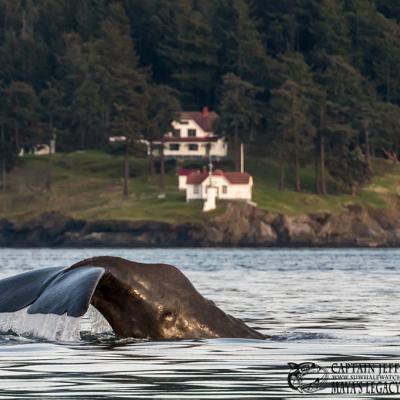
Marine mammals from distant places visit Puget Sound
The reasons for the surprise visits are unknown, but changes in environmental conditions here or elsewhere are one possibility.
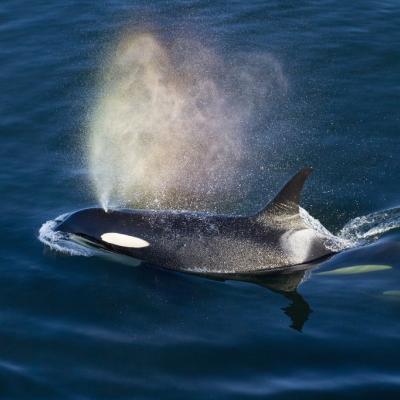
For declining orcas, food is fate
Recent images of a mother orca appearing to grieve for her dead calf have brought worldwide attention to the plight of Puget Sound’s endangered Southern Resident orcas. As orca numbers decline, we look at how the effects of toxic chemicals on the whales are magnified even as the residents slowly starve from a general lack of Chinook salmon, their chief source of food.
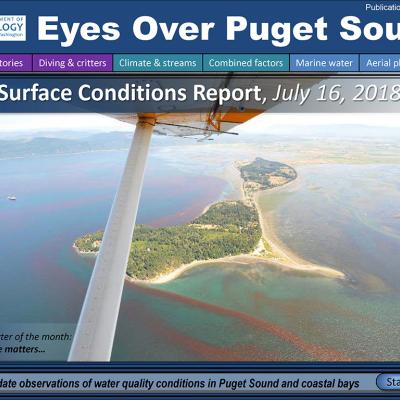
Eyes Over Puget Sound: Surface Conditions Report - July 16, 2018
Its summer! River flows are generally below normal levels in response to low precipitation and warm air temperatures. Algae blooms are causing intense red-brown colors in Bellingham and Samish Bays, as well as in some other bays. Infrared images revealed that the algal blooms are in water exceeding 15°C. These warmer waters increase the risk of harmful algal blooms if toxin-producing species are
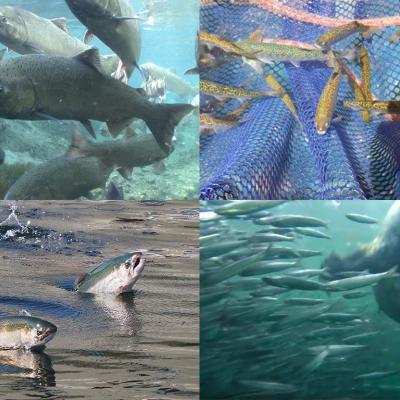
Marine survival: New clues emerging in salmon deaths
An intensive research program in the U.S. and Canada is studying why so few salmon in the Salish Sea are returning home to spawn. It is uncovering a complex web of problems involving predators, prey and other factors that put salmon at risk as they migrate to the ocean. We present a four-part series on the Salish Sea Marine Survival Project, including new findings presented at the 2018 Salish Sea
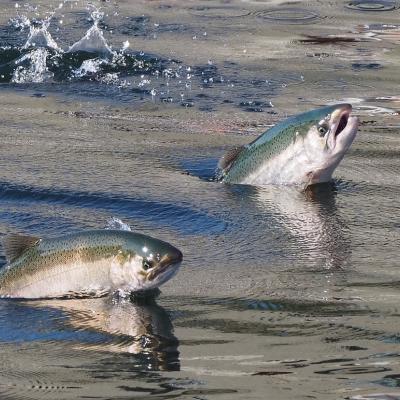
New studies on emerging threats to salmon
Chemicals, disease and other stressors can increase a salmon's chance of being eaten or reduce its ability to catch food. We wrap up our series on the Salish Sea Marine Survival Project with a look at some of the lesser-known, but still significant factors contributing to salmon declines in the Salish Sea.
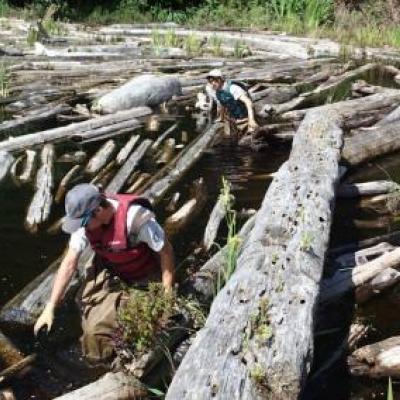
Removal of creosote-treated pilings may assist herring recovery
Researchers are analyzing the harmful effects of creosote-treated wood pilings on Pacific herring and shellfish in Puget Sound. Studies show that piling removal projects can ease the impacts, but only if carefully done.
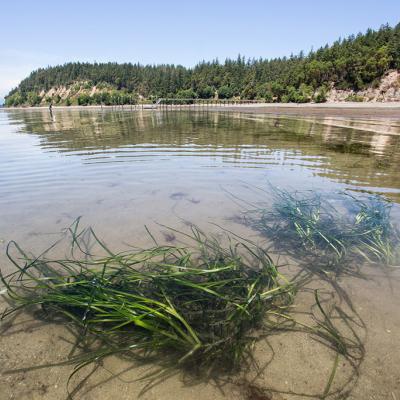
Eelgrass restoration in Puget Sound: development of a site suitability assessment process
The restoration of eelgrass (Zostera marina L.) is a high priority for Puget Sound ecosystem recovery. In 2011, the State of Washington set a restoration target to increase eelgrass abundance by 20% in Puget Sound by 2020. Locating areas to restore eelgrass effectively and efficiently has been challenging for researchers. A 2018 article in the journal Restoration Ecology reports on efforts to
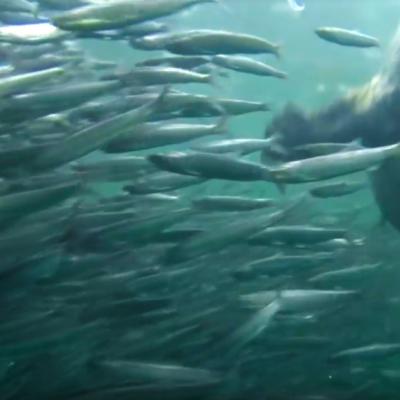
Could anchovies and other fish take pressure off salmon and steelhead?
A recent influx of anchovies into Puget Sound may have saved some steelhead from predators, but researchers seek more evidence to prove the connection. Our series on the Salish Sea Marine Survival Project continues with a look at these and other potential impacts from predators on the region's salmon and steelhead.
Equity and social science integration at the 2018 Salish Sea Ecosystem Conference
A new study looks at social science and equity integration within the proceedings of the 2018 Salish Sea Ecosystem Conference. The study was produced on behalf of the Puget Sound Partnership for the Encyclopedia of Puget Sound.
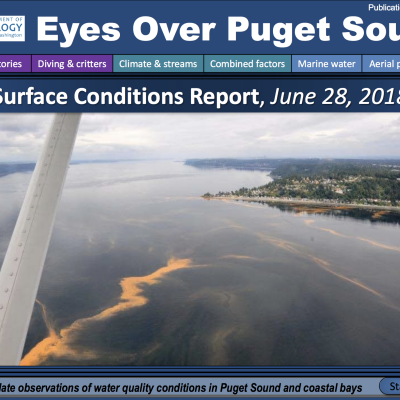
Eyes Over Puget Sound: Surface Conditions Report – June 28, 2018
During June, near normal air temperatures and continued low precipitation have resulted in highly variable freshwater inputs to Puget Sound. A large Noctiluca bloom extends across the South Central Basin of Puget Sound. Coccolithophores are blooming in Hood Canal. Macroalgae is drifting as mats on the water in Port Madison, South Central Basin, and South Sound. They are also piling up on beaches