

All Articles
A review of Puget Sound marine and nearshore grant program results, Part 3
A September 2016 report from the University of Washington Puget Sound Institute summarizes and reviews 27 EPA-funded projects focusing on Puget Sound's marine and nearshore environments. The projects were conducted between 2011-2015 with support from the EPA's National Estuary Program. The report is an analysis of findings on shoreline restoration and derelict net and fishing gear removal.
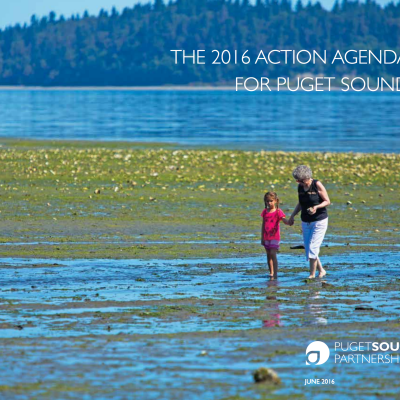
The 2016 Action Agenda for Puget Sound
The Puget Sound Action Agenda is a shared plan for Puget Sound recovery resulting from a collaboration by state and federal agencies, tribal governments, local governments, business and environmental groups, and others.
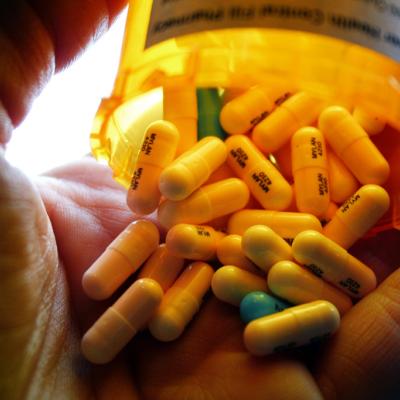
Concerns rise over rogue chemicals in the environment
Drugs like Prozac and cocaine have been showing up in the region’s salmon. But these are just some of the potentially thousands of different man-made chemicals that escape into the Salish Sea every day, from pharmaceuticals to industrial compounds. Now the race is on to identify which ones pose the greatest dangers.
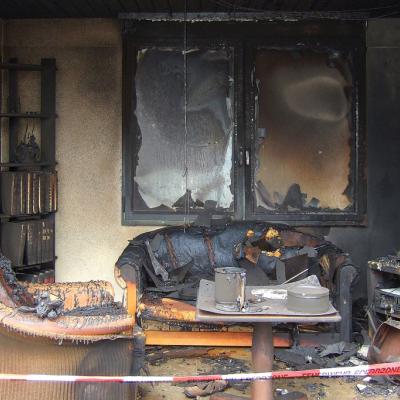
Flame retardants
Efforts to reduce fire hazards over a half century ago have left an unintended trail of persistent environmental contaminants from flame retardant chemicals known as PBDEs. Bans and substitutes are still evolving.

New law will increase testing of chemicals
New federal legislation, approved overwhelmingly by the U.S. Congress in December 2015 and signed into law by President Obama in June 2016, is designed to make sure that people and the environment are not harmed by new and old chemicals on the market.
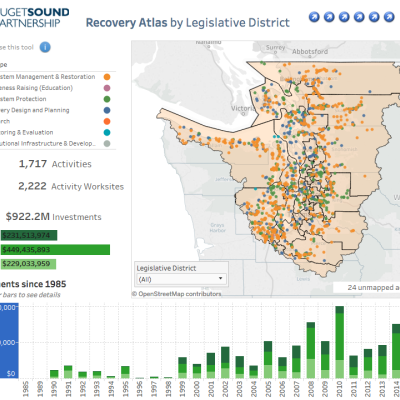
Puget Sound Recovery Atlas
The Puget Sound Recovery Atlas is a map-based, online tool that allows users to learn more about an important subset of Puget Sound restoration and protection activities.
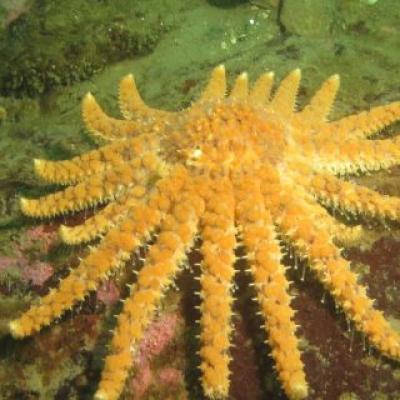
Devastating transboundary impacts of sea star wasting disease on subtidal asteroids
A study in the journal PLOS ONE uses volunteer diver surveys to assess the impacts of sea star wasting disease in the Salish Sea. Data shows that sunflower sea stars were especially hard hit and have all but disappeared from the region.
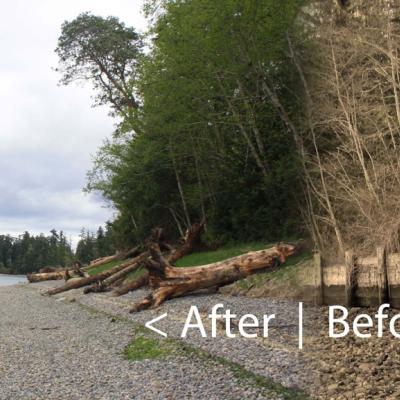
Hitting a wall: Can we fix Puget Sound’s beaches?
New numbers show progress in the state’s efforts to remove shoreline armoring, but they don’t tell the whole story.
![Bay Mussels (Mytilus trossulus) on Edmonds Ferry Dock. Photo [cropped]: brewbooks (CC BY-SA 2.0) https://www.flickr.com/photos/brewbooks/8840874065](/sites/default/files/styles/article_landing_page_image/public/topical_article/images/8840874065_da3b29ce56_crop_1200.jpg?itok=npjybrbF "Bay Mussels (Mytilus trossulus) on Edmonds Ferry Dock. Photo [cropped]: brewbooks (CC BY-SA 2.0) https://www.flickr.com/photos/brewbooks/8840874065")
Salish Sea snapshots: Mussel memory
Scientists are testing ways to use transplanted shellfish such as mussels to monitor toxic contaminants in Puget Sound.
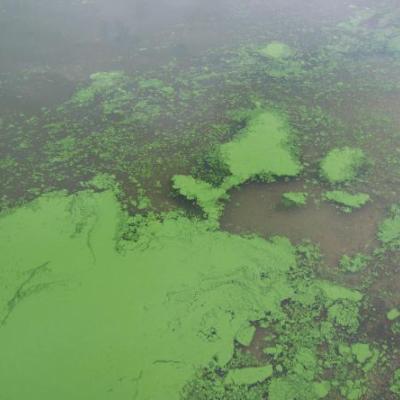
Salish Sea snapshots: Invasive species and human health
Invasive species are considered a top threat to the balance of ecosystems worldwide. New discoveries of non-native green crabs in Puget Sound have highlighted that concern here at home, but invasive species can impact more than just the food web. Some introduced species can produce toxins that accumulate in shellfish or by directly infecting the human body.