

All Articles
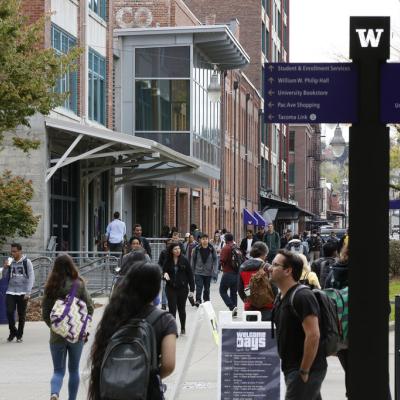
Urban lifestyles help to protect the Puget Sound ecosystem
The state of Washington estimates that the Puget Sound area will grow by more than 1.5 million residents within the next two decades. That is expected to have profound effects on the environment as more and more people move to undeveloped areas. The race is on to protect this critical rural habitat, but planners say what happens in the cities may be just as important.
2016 Salish Sea toxics monitoring review: A selection of research
A 2017 report from the Puget Sound Ecosystem Monitoring Program presents an overview of selected recent monitoring and research activities focused on toxic contaminants in the Salish Sea.
- Birds
- Bivalves
- Contaminants of emerging concern
- Dungeness crabs
- Fishes
- Forage fish
- Herring
- Invertebrates
- Killer whales
- Mammals
- Marine birds
- Marine debris
- Marine habitat
- Monitoring
- Other
- Persistent contaminants
- Reports
- Salish Sea
- Salmonids
- Sewage and fecal pollution
- Shellfish
- Species of concern
- Stormwater
- Toxic contaminants
- Water quality
- Estuaries
- Nearshore habitat
- Freshwater habitat
Puget Sound Ecosystem Monitoring Program
The Puget Sound Ecosystem Monitoring Program (PSEMP) is an independent program established by state and federal statute to monitor environmental conditions in Puget Sound.
- Algae
- Birds
- Bivalves
- Circulation
- Contaminants of emerging concern
- Eutrophication
- Fishes
- Floodplains
- Forage fish
- Healthy human population
- Human quality of life
- Hypoxia
- Invertebrates
- Jellyfish
- Killer whales
- Mammals
- Marine birds
- Marine habitat
- Modeling
- Monitoring
- Nutrients
- Overviews
- Persistent contaminants
- Plants
- Salmonids
- Shellfish
- Shoreline armoring
- Species and food webs
- Species of concern
- Stormwater
- Toxic contaminants
- Water quality
- Water quantity
- Estuaries
- Nearshore habitat
- Freshwater habitat
- Terrestrial habitat
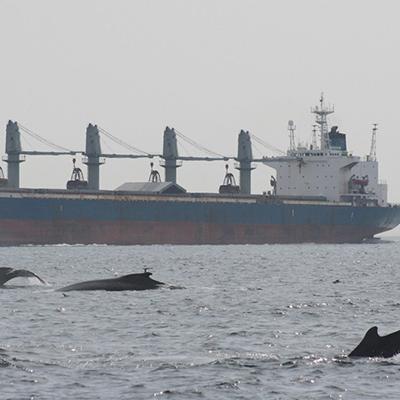
A key to quieter seas: Half of ship noise comes from 15% of the fleet
A 2017 article in the online journal Authorea reports that a comparatively small portion of ships produce much of the ocean's underwater noise.
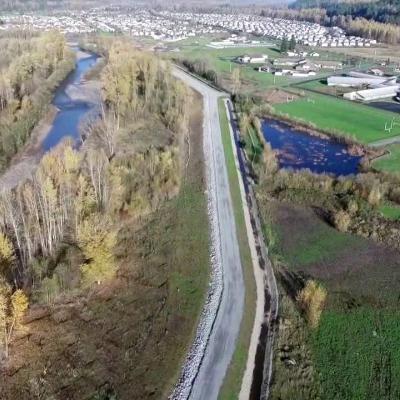
Floodplain projects open doors to fewer floods and more salmon
A new approach to flood control is taking hold across Puget Sound. Rivers, scientists say, can be contained by setting them free. Conservationists hope this is good news for salmon recovery.
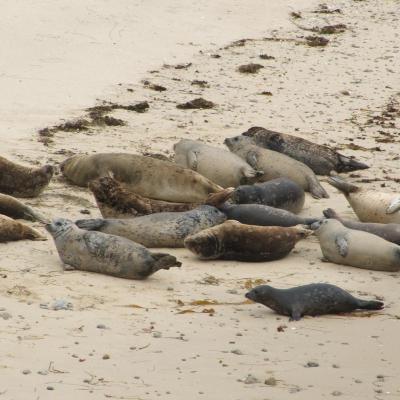
Harbor seal (Phoca vitulina) tolerance to vessels under different levels of boat traffic
Vessel traffic is increasing in the Puget Sound region. A 2017 article in the journal Aquatic Mammals looks at the potential impacts that increasing vessel disturbance may have on resident harbor seal populations and how future management decisions may need to look at variable buffer zones related to level of human activity.
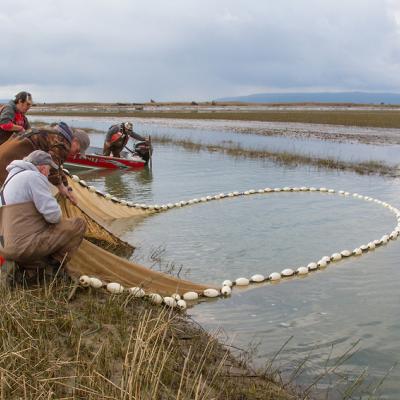
Finding a strategy to accelerate Chinook recovery
As threatened Chinook populations in Puget Sound continue to lose ground, the state is looking to new strategies to reverse the trend. In the Skagit watershed, the scientists — and the fish — are among those leading the way.
Finding common ground in a world of environmental change
A 2017 course at the UW Jackson School of International Studies examined how to create alliances between the Tulalip Tribes and non-tribal millennials through improved intercultural communication. The students in the course produced a multi-media story describing their experiences.
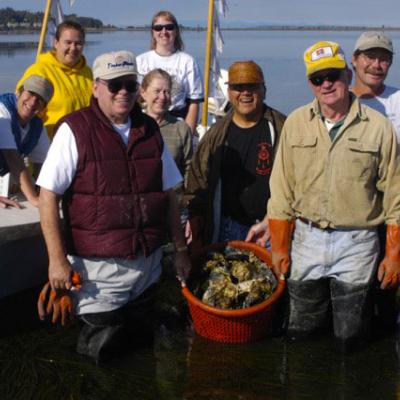
Bringing the shellfish back: How Drayton Harbor overcame a legacy of pollution
After a long struggle with pollution, Drayton Harbor has reopened to year-round commercial oyster harvesting for the first time in 22 years. Here’s how the community cleaned up its act, potentially showing the way for shellfish recovery throughout Puget Sound.

Final report for Nisqually Indian Tribe EPA capacity project
This report describes how funding from the Environmental Protection Agency's National Estuary Program provided fiscal support to allow the Nisqually Indian Tribe to participate in all aspects of the Puget Sound Management Conference. Activities included participation on the region's Ecosystem Coordination Board, The Puget Sound Salmon Recovery Council, a local South Sound LIO (AHSS), Treaty Rights