

All Articles
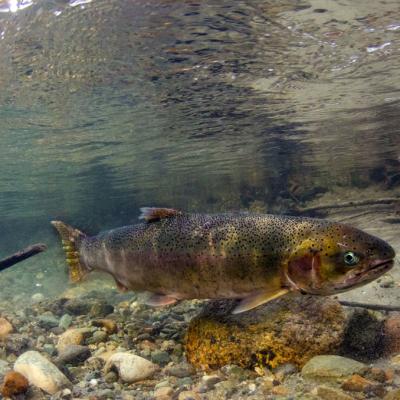
Advances in technology help researchers evaluate threatened Puget Sound steelhead
New, smaller acoustic tags will allow scientists to track steelhead migrations in Puget Sound in ways that were once impossible. Will they provide answers to the mysterious decline of these now-threatened fish?
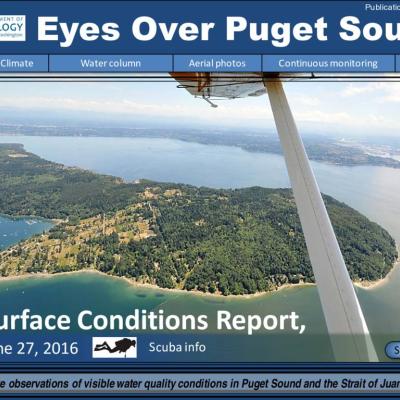
Eyes Over Puget Sound: Surface Conditions Report – June 27, 2016
Record-breaking warmer and fresher water in Puget Sound. May-June conditions are more unusual than last year. Recent rain brought river flows close to normal but water exchange in Puget Sound remains weak due to low Fraser River flow. Phytoplankton blooms and organic material are visible in some areas of Central and South Sound but not in others. Noctiluca, while absent in Central Basin, was
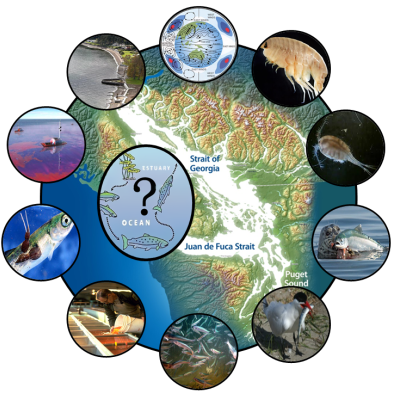
Mystery remains in deaths of young salmon
The Salish Sea Marine Survival Project has mobilized dozens of organizations in the U.S. and Canada to find an answer to one of the region's greatest mysteries. What is killing so many young salmon before they can return home to spawn? A series of talks at the 2016 Salish Sea Ecosystem Conference brought together some of the latest research.
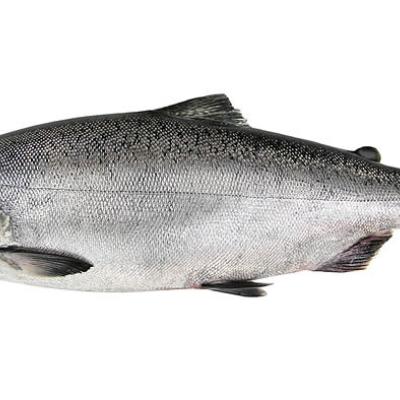
Contaminants higher in resident 'blackmouth' Chinook
Many of Puget Sound's Chinook salmon spend their entire lives in local waters and don't migrate to the open ocean. These fish tend to collect more contaminants in their bodies because of the sound's relatively high levels of pollution.
Protecting Puget Sound watersheds from agricultural pollution using a progressive manure application risk management (ARM) system
Throughout the Puget Sound region, impacted and poorly managed agriculture has been repeatedly advanced as a leading contributor to surface and ground water pollution, particularly during the winter months. A study conducted from 2010 - 2015 aimed to develop an Application Risk Management (ARM) System to minimize pollution from manure in Whatcom County.
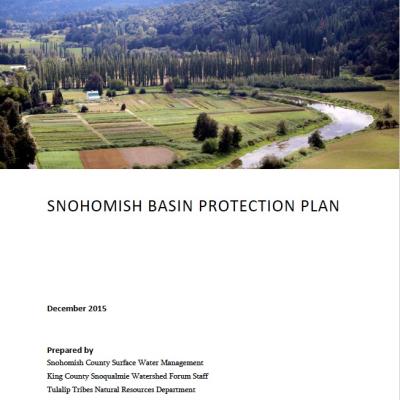
Snohomish Basin Protection Plan
A 2015 report from Snohomish County, King County and the Tulalip Tribes outlines protection strategies for salmon and salmon habitat within the Snohomish Basin.
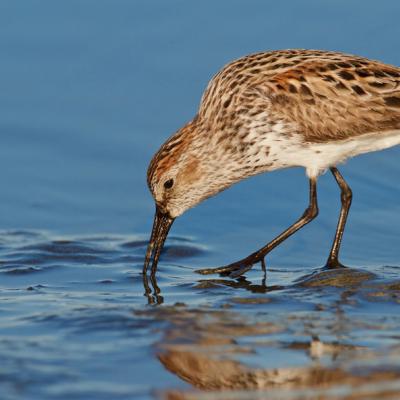
Salish Sea 'slime' vital for shorebirds
It turns out that a gooey substance known as biofilm is a big deal for Salish Sea shorebirds, providing critical food for some species. But could a proposed port expansion in Vancouver threaten this slimy resource?
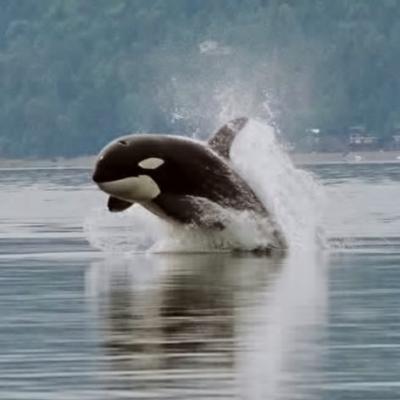
New theory rethinks spread of PCBs and other toxics in Puget Sound
Researchers are proposing a shift in thinking about how some of the region’s most damaging pollutants enter Puget Sound species like herring, salmon and orcas.
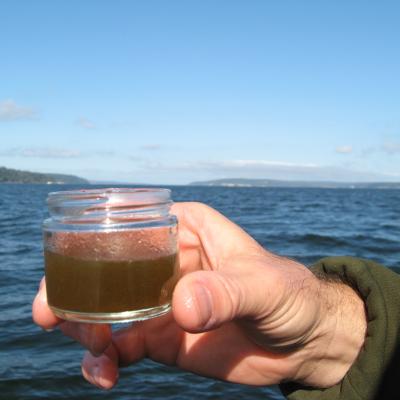
Suspended marine pollutants more likely to enter food web
Researchers are studying how persistent pollutants such as PCBs avoid settling to the bottom of Puget Sound. This article continues our coverage of new theories on the spread of toxic chemicals in the food web.
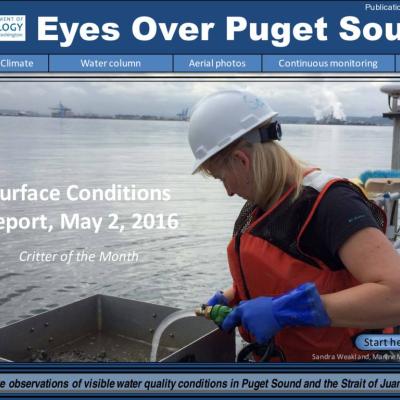
Eyes Over Puget Sound: Surface Conditions Report – May 2, 2016
Spring air temperatures are higher - it has been sunny and dry. The snowpack is quickly disappearing as temperatures are up to 7 °F warmer at higher elevations. Snowmelt-fed rivers are running very high. How does this affect water quality in Puget Sound? A strong spring phytoplankton bloom extends across Puget Sound and the Strait of Juan de Fuca. Water temperatures are still higher than normal