

All Articles
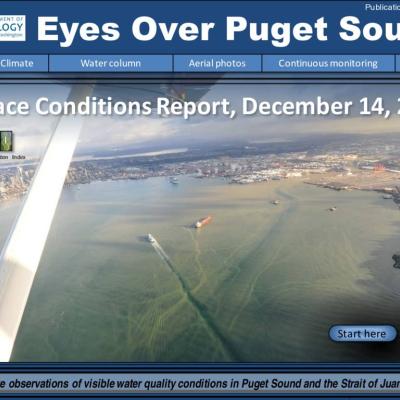
Eyes Over Puget Sound: Surface Conditions Report – December 14, 2015
As coastal and regional conditions gradually normalize in response to a fading Blob and increased rain, the big question remains. Will the snow in the mountains stay there or come down prematurely and lower salinity in Puget Sound like last winter? Cascade snowpack is currently below normal. The El Niño at the equator is still brewing! Major rivers transport large amounts of suspended sediments
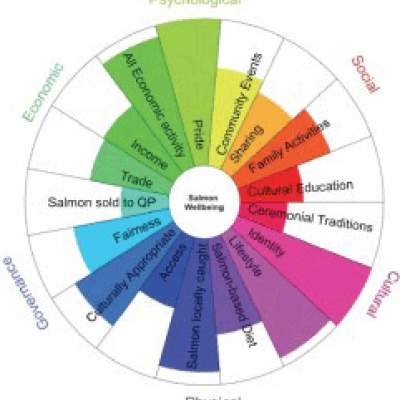
A holistic framework for identifying human wellbeing indicators for marine policy
A 2015 paper in the journal Marine Policy identifies six domains of human wellbeing related to the natural environment. The domains were developed based on case studies in Washington's Hood Canal and Olympic Coast regions.
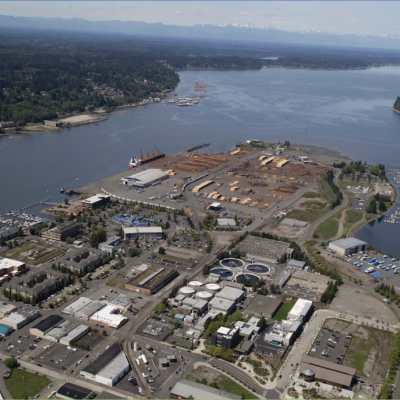
Report evaluates pathways to reduce nutrient pollution in Puget Sound
A 2025 report from the University of Washington Puget Sound Institute identifies and evaluates potential strategies for addressing environmental concerns over nutrients and dissolved oxygen in Puget Sound.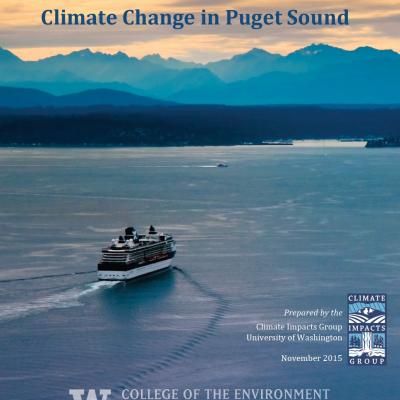
State of Knowledge: Climate Change in Puget Sound
A 2015 report from the University of Washington provides the most comprehensive assessment to date of the expected impacts of climate change on the Puget Sound region.
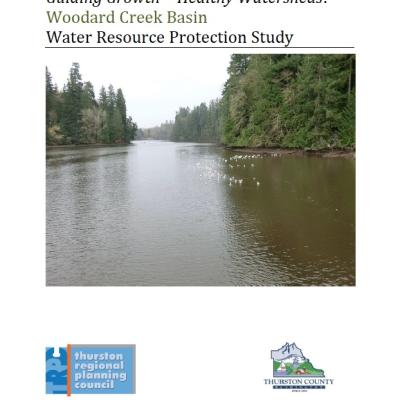
Guiding growth-healthy watersheds: Woodard Creek Basin water resource protection study
An EPA-funded study by the Thurston Regional Planning Council identified recommended strategies and actions to protect and improve water quality and aquatic resources in the Woodard Creek Basin.
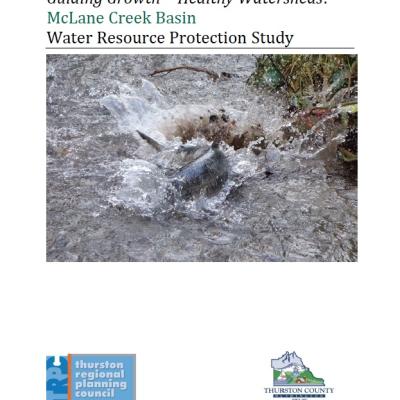
Guiding growth-healthy watersheds: McLane Creek Basin water resource protection study
An EPA-funded study by the Thurston Regional Planning Council identified recommended strategies and actions to protect and improve water quality and aquatic resources in the McLane Creek Basin.
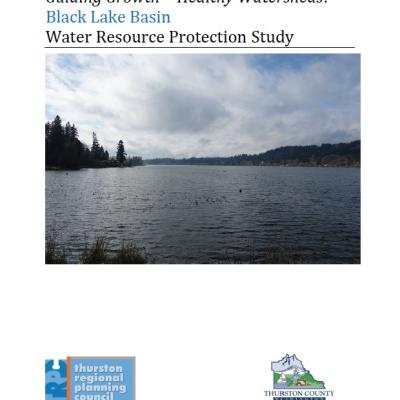
Guiding growth-healthy watersheds: Black Lake Basin water resource protection study
An EPA-funded study by the Thurston Regional Planning Council identified recommended strategies and actions to protect and improve water quality and aquatic resources in the Black Lake Basin.
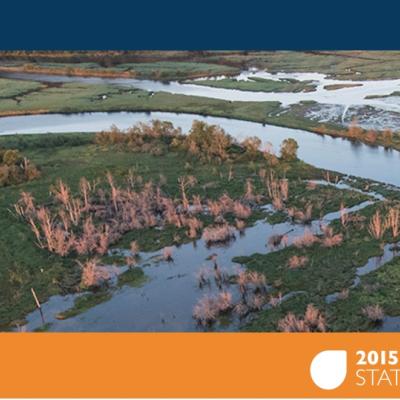
2015 State of the Sound
The 2015 State of the Sound is the Puget Sound Partnership’s fourth biennial report to the Legislature on progress toward the recovery of Puget Sound by 2020. The document reports on both the status of the Partnership's recovery efforts and the status of a suite of ecosystem indicators.
![Sucralose, an artificial sweetener, is a good tracer of wastewater. It is present at low levels throughout the Puget Sound [1].](/sites/default/files/styles/article_landing_page_image/public/topical_article/images/cec_fig1.png?itok=Nj3qNp7N "Sucralose, an artificial sweetener, is a good tracer of wastewater. It is present at low levels throughout the Puget Sound [1].")
Contaminants of emerging concern (CECs) in the waters of the Pacific Northwest
Contaminants of Emerging Concern (CECs) range from pharmaceuticals, personal care products and food additives to compounds used in industrial and commercial applications. These compounds are not typically removed from wastewater and are flushed into waterways throughout the world in significant amounts. This article describes how scientists are measuring the presence of these contaminants along
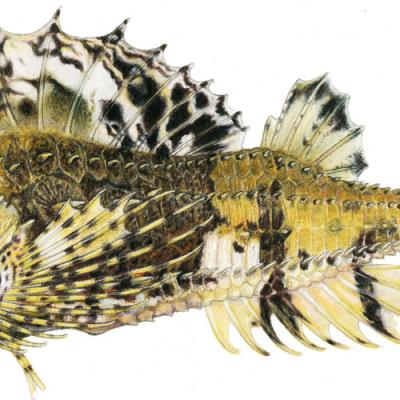
List of Salish Sea fish grows to 253 species
Researchers updating a 1980 fish catalog have found evidence of 37 additional fish species in the Salish Sea. This information, accompanied by hundreds of detailed illustrations, is seeding a new reference book expected to gain wide use among scientists, anglers and conservationists. [Editor's note: As of 2019, the list of Salish Sea fishes has grown to 260 species.]