Nearshore habitat

The nearshore habitat of Puget Sound is usually defined as the area from the bluffs that line the shore to the area where water becomes too deep for light to penetrate and allow plants to grow, measured relative to mean lower low water (MLLW). It includes marine habitat and estuarine habitat, but stops at the farthest reach of the tide into an estuary, or the point where saltwater no longer mixes with fresh. Within Puget Sound’s nearshore are many varied habitat types, including rocky and sandy beaches, mudflats, salt marshes, kelp and eelgrass beds, and lagoons.

Sources:

Puget Sound Nearshore Ecosystem Restoration Project: http://www.pugetsoundnearshore.org/technical_reports.html.

Overview

The Puget Sound Nearshore Ecosystem Restoration Project (PSNERP) works to assess the health of Puget Sound nearshore environments and provides strategies for their protection and restoration. 

PSNERP logo

Related Articles

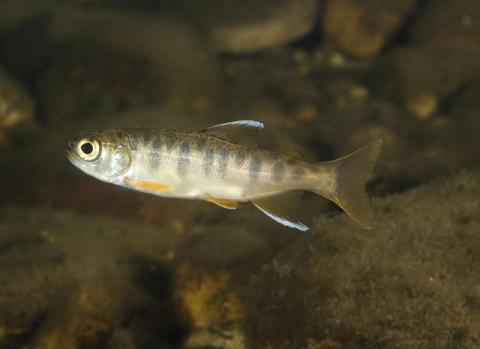
Scientists say low marine survival rates threaten Puget Sound coho salmon populations. A 2015 article in the journal Marine and Coastal Fisheries reports that wild cohos in the Salish Sea had higher smolt survival rates over a 30 year period than hatchery coho salmon. Smolt survival in the Strait of Georgia during that time declined faster than it did in Puget Sound. 

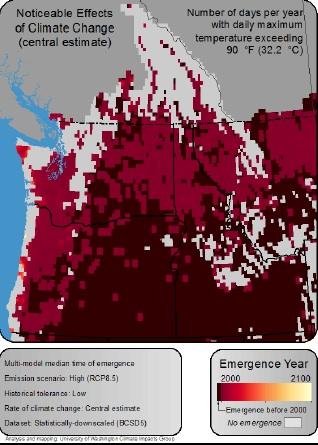
A December 2014 report from the University of Washington examines when and where climate change impacts will occur in the Puget Sound watershed.

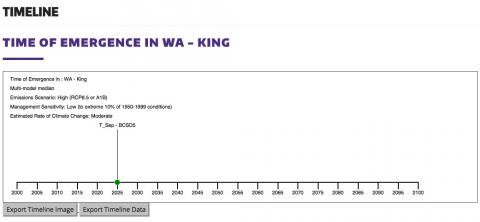
When and where will we see the impacts of climate change in Puget Sound? A web-based tool factors in dozens of site-specific variables for watersheds throughout the Pacific Northwest. The resource was developed by the University of Washington Climate Impacts Group with support from the EPA, the US Army Corps of Engineers and the Center for Data Science, University of Washington-Tacoma.

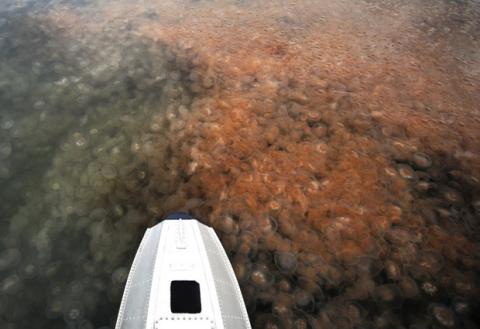
A 2015 paper in the Marine Ecology Press Series reports a trend toward more jellyfish and less of some forage fish species in Puget Sound. The paper analyzes more than 40 years of state data, and assesses potential human causes for the shift.

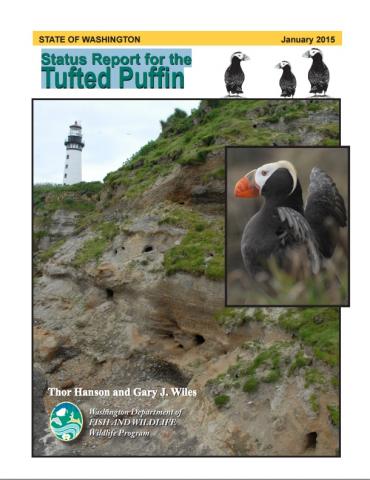
A 2015 report from the Washington Department of Fish and Wildlife reviews information relevant to the status of the tufted puffin in Washington and addresses factors affecting this status. 

A 2015 article published in the Marine Ecology Progress Series identifies intraspecific differences in diet between harbor seals in the Salish Sea, suggesting implications for marine reserve management.