Nearshore habitat

The nearshore habitat of Puget Sound is usually defined as the area from the bluffs that line the shore to the area where water becomes too deep for light to penetrate and allow plants to grow, measured relative to mean lower low water (MLLW). It includes marine habitat and estuarine habitat, but stops at the farthest reach of the tide into an estuary, or the point where saltwater no longer mixes with fresh. Within Puget Sound’s nearshore are many varied habitat types, including rocky and sandy beaches, mudflats, salt marshes, kelp and eelgrass beds, and lagoons.

Sources:

Puget Sound Nearshore Ecosystem Restoration Project: http://www.pugetsoundnearshore.org/technical_reports.html.

Overview

The Puget Sound Nearshore Ecosystem Restoration Project (PSNERP) works to assess the health of Puget Sound nearshore environments and provides strategies for their protection and restoration. 

PSNERP logo

Related Articles

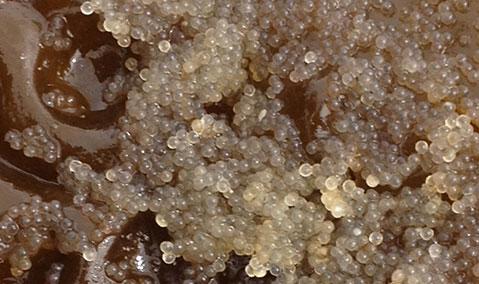
Puget Sound herring reproduction is not limited by the amount of suitable spawning vegetation, according to a November 2014 paper in the journal Marine Ecology. The article points to terrestrial or marine variables as likely determinants of egg loss.

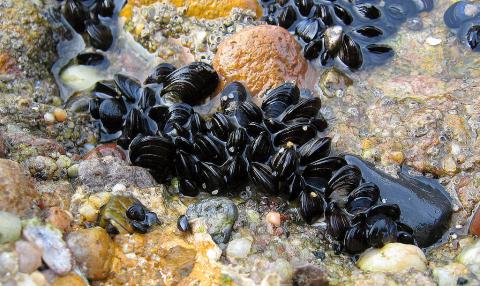
A report from the Tacoma-Pierce County Health Department describes the results of a project to address threats to water quality in Pierce County, focusing on shellfish areas most at risk.

The decaying seawall along Seattle’s waterfront is providing scientists with an opportunity to improve long-lost habitat for migrating salmon. It could also show the way for habitat enhancements to crumbling infrastructure worldwide. One University of Washington researcher describes the project.

A 2014 paper decribes how monitoring the energy density of key Pacific salmon species could affect the recovery of northern and southern killer whales through fisheries management.

A 2014 San Juan County report addresses sustainable growth planning, pollution prevention, and mitigation actions in the Eastsound and Westcott Bay areas.

Birds that dive for fish while wintering in the Salish Sea are more likely to be in decline than nondiving birds with less specialized diets, according to a 2014 study led by the School of Veterinary Medicine at the University of California, Davis. The study, published in the journal Conservation Biology proposes that long-term changes in the availability of forage fish are pushing the declines.