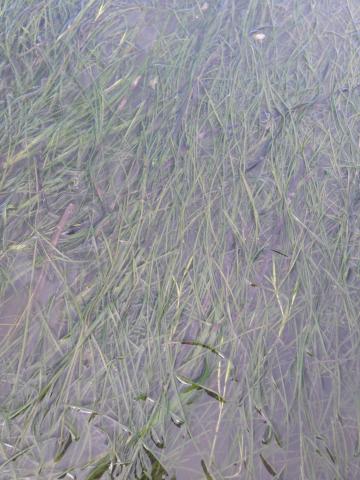
Nearshore habitat

The nearshore habitat of Puget Sound is usually defined as the area from the bluffs that line the shore to the area where water becomes too deep for light to penetrate and allow plants to grow, measured relative to mean lower low water (MLLW). It includes marine habitat and estuarine habitat, but stops at the farthest reach of the tide into an estuary, or the point where saltwater no longer mixes with fresh. Within Puget Sound’s nearshore are many varied habitat types, including rocky and sandy beaches, mudflats, salt marshes, kelp and eelgrass beds, and lagoons.

Sources:

Puget Sound Nearshore Ecosystem Restoration Project: http://www.pugetsoundnearshore.org/technical_reports.html.

Overview

The Puget Sound Nearshore Ecosystem Restoration Project (PSNERP) works to assess the health of Puget Sound nearshore environments and provides strategies for their protection and restoration. 

PSNERP logo

Related Articles

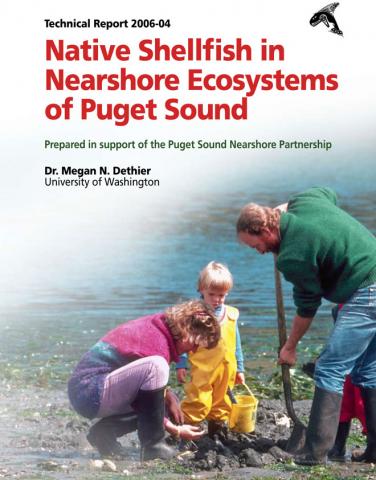
This 2006 technical report for the Puget Sound Nearshore Partnership describes how shellfish have high ecological, economical, cultural, recreational value, however human activity is threatening their existence by altering their native habitat with changes in land use, shoreline modifications, stormwater, sewage and industrial discharge.

A December 2014 paper in the journal Aquatic Ecosystem Health & Management describes a project to identify transboundary ecosystem indicators for the Salish Sea. 

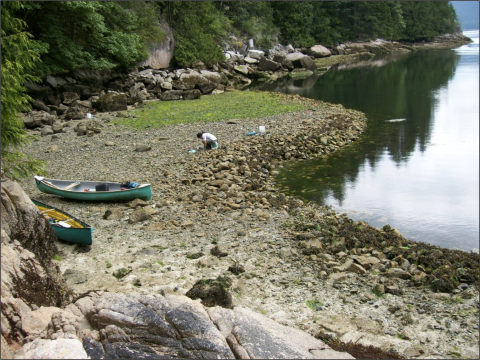
Northwest Coast First Peoples made clam garden terraces to expand ideal clam habitat at tidal heights that provided optimal conditions for clam growth and survival, therefore enhancing food production and increasing food security.

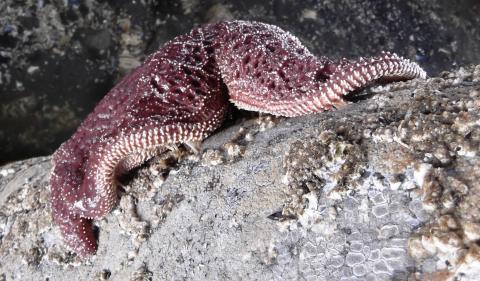
A virus is the likely cause of sea-star die-offs on the Northeast Pacific Coast and in Puget Sound, according to a November 2014 paper published in the Proceedings of the National Academy of Sciences.

A 2014 literature review in the journal Ocean & Coastal Management suggests negative effects of nonnative eelgrass on the native species. 

Puget Sound herring reproduction is not limited by the amount of suitable spawning vegetation, according to a November 2014 paper in the journal Marine Ecology. The article points to terrestrial or marine variables as likely determinants of egg loss.