Nearshore habitat

The nearshore habitat of Puget Sound is usually defined as the area from the bluffs that line the shore to the area where water becomes too deep for light to penetrate and allow plants to grow, measured relative to mean lower low water (MLLW). It includes marine habitat and estuarine habitat, but stops at the farthest reach of the tide into an estuary, or the point where saltwater no longer mixes with fresh. Within Puget Sound’s nearshore are many varied habitat types, including rocky and sandy beaches, mudflats, salt marshes, kelp and eelgrass beds, and lagoons.

Sources:

Puget Sound Nearshore Ecosystem Restoration Project: http://www.pugetsoundnearshore.org/technical_reports.html.

Overview

The Puget Sound Nearshore Ecosystem Restoration Project (PSNERP) works to assess the health of Puget Sound nearshore environments and provides strategies for their protection and restoration. 

PSNERP logo

Related Articles

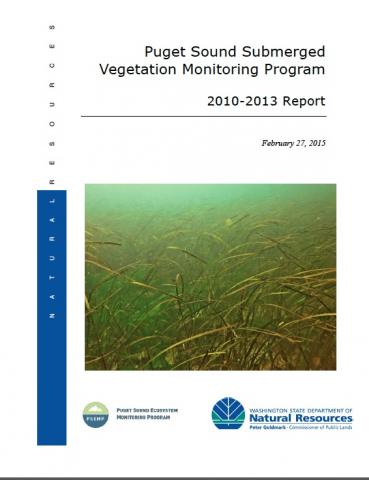
A 2015 report from the Washington State Department of Natural Resources summarizes the status and trends for native eelgrass and other seagrasses in Puget Sound from 2010-2013.

The Salish Sea: Jewel of the Pacific Northwest brings together more than 230 extraordinary images of the Salish Sea. But don't call it a coffee table book. Its lush photos are backed by a serious scientific perspective on this complex and fragile ecosystem.

This paper summarizes a 2014 report ranking the greatest human-caused threats to the Puget Sound ecosystem. 

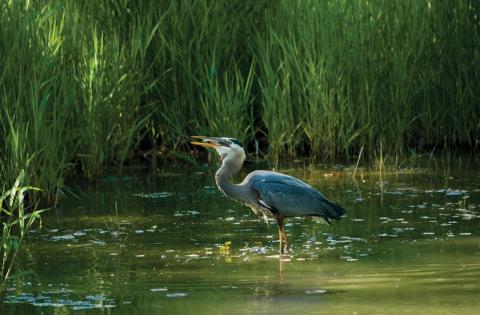
A 2015 paper in Oikos Journal examines the impacts of great blue heron predation on species diversity in eelgrass meadows in British Columbia. 

The Puget Sound Ecosystem Monitoring Program (PSEMP), along with partners from the US EPA Columbia River Program and USGS Oregon Water Science Center, have developed a framework for prioritizing monitoring of Contaminants of Emerging Concern (CECs) in the Pacific Northwest.

The Shoreline Monitoring Toolbox standardizes approaches to tracking the status and health of shoreline environments in Puget Sound.