Nearshore habitat

The nearshore habitat of Puget Sound is usually defined as the area from the bluffs that line the shore to the area where water becomes too deep for light to penetrate and allow plants to grow, measured relative to mean lower low water (MLLW). It includes marine habitat and estuarine habitat, but stops at the farthest reach of the tide into an estuary, or the point where saltwater no longer mixes with fresh. Within Puget Sound’s nearshore are many varied habitat types, including rocky and sandy beaches, mudflats, salt marshes, kelp and eelgrass beds, and lagoons.

Sources:

Puget Sound Nearshore Ecosystem Restoration Project: http://www.pugetsoundnearshore.org/technical_reports.html.

Overview

The Puget Sound Nearshore Ecosystem Restoration Project (PSNERP) works to assess the health of Puget Sound nearshore environments and provides strategies for their protection and restoration. 

PSNERP logo

Related Articles

A 2015 paper presented to the International Whaling Commission compares the impacts of kayaks and powerboats on killer whale populations.

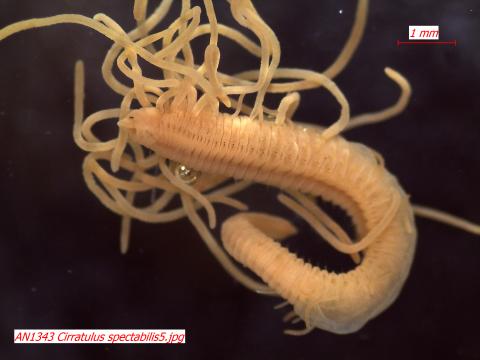
A 2014 Washington State Department of Ecology report provides a taxonomic guide for Puget Sound sediment-dwelling invertebrates (benthos). Surveys of these species are used to monitor the health of the foodweb, as well as levels of toxic contaminants in the seafloor.

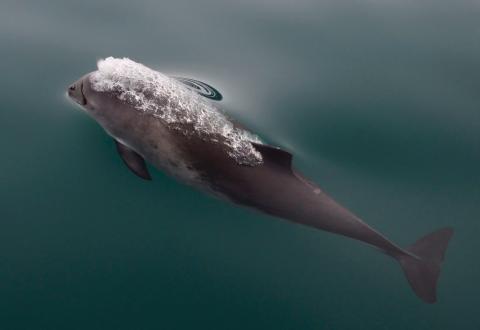
A 2014 paper in Endangered Species Research suggests that harbour porpoises inhabiting coastal waters of southern British Columbia constitute a single genetic population, which should be reflected in management decisions.

A 2014 report by the Kitsap Public Heath District describes the goals and achievements of the Shellfish Restoration and Protection Project including: increasing harvestable shellfish growing areas, establishing a routine shoreline monitoring program, improving water quality, and increasing education of water quality and shellfish protection.

A 2014 King County report projects the capital and maintenance costs of the stormwater treatment facilities that would be needed, within WRIA 9 and the Puget Sound region, to fully comply with the Clean Water Act. 

The region's famed mollusks provide more than just money and jobs. They offer what are called ecosystem services—a wide variety of benefits that humans derive from an ecosystem.