

All Articles
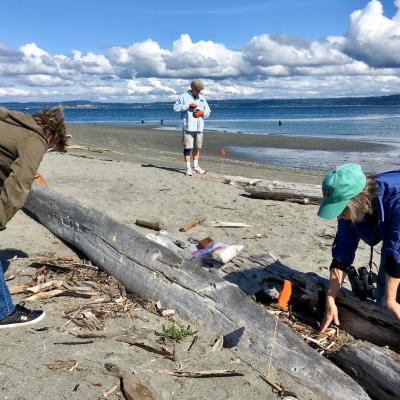
Tracking the trash: Inside a marine debris survey
Volunteer researchers are tracking the plastic and other debris washing up on Puget Sound's beaches. They hope the data can be used to protect sea creatures from the growing amounts of trash littering the world's oceans. [A version of this article first appeared in the COASST blog.]

History of UW Oceanography by Eugene Collias
Notes and biography about the history of the department of oceanography at the University of Washington (1903-1980) as reported by oceanagrapher Eugene Collias. Report courtesy of the Collias estate.
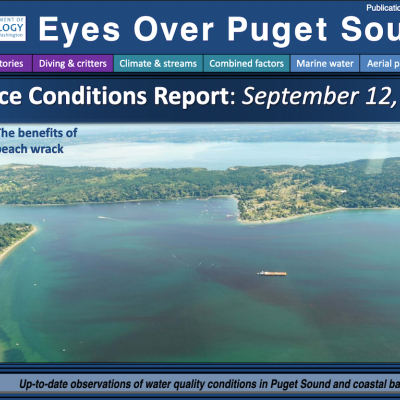
Eyes Over Puget Sound: Surface Conditions Report - September 12, 2019
This year, air temperatures were warmer than in previous years, and this pattern is predicted to continue. Precipitation was low and is now improving, yet river flows remain low. By August, Puget Sound surface water temperatures were 0.6 °C warmer across all regions; this could have shifted the timing of optimal temperatures for some marine organisms. In September, blooms are limited to inlets
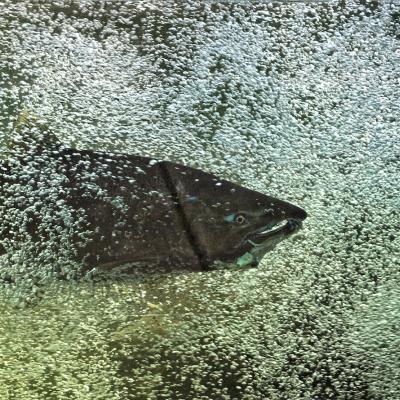
'Early migration gene' tied to unique population of Chinook
Spring and fall Chinook salmon were thought to be alike until researchers discovered a gene for early migration. Now, federal biologists and legal experts are struggling to decide if spring Chinook should be granted their own legal protection under the Endangered Species Act.

Of ratfish, Loch Ness monsters and stuffed sharks: A conversation with the authors of the book 'Fishes of the Salish Sea'
The first comprehensive guide to the fishes of the Salish Sea is the culmination of more than 40 years of research by University of Washington authors Ted Pietsch and Jay Orr. The new three-volume set includes descriptions and illustrations for every fish species known to have been documented here, all gathered from an exhaustive search of libraries, aquariums, fish collections and even one
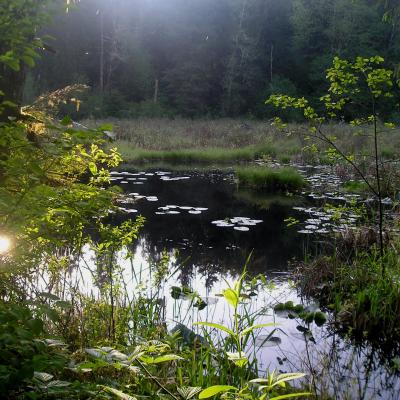
Connections between terrestrial, freshwater, and marine habitats
Freshwater habitat in the Puget Sound region consists of rivers, marshes, streams, lakes and ponds that do not have any saltwater input. Many species depend on these freshwater resources, including salmon, salamanders, frogs, and beavers.
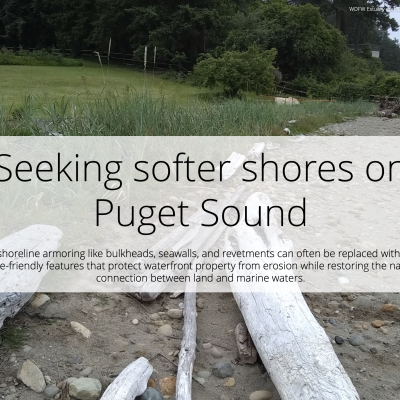
Story map: Seeking softer shores on Puget Sound
A 2019 story map produced by the University of Washington Puget Sound Institute in collaboration with the Washington Department of Fish and Wildlife shows how shoreline armoring can often be replaced by softer, shore-friendly features.
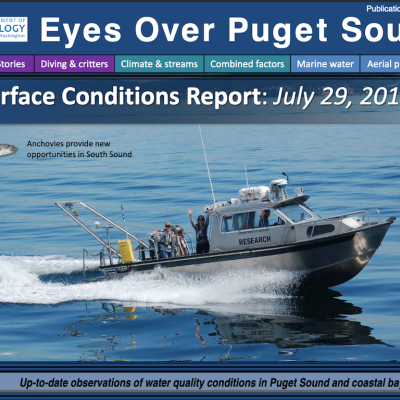
Eyes Over Puget Sound: Surface Conditions Report - July 29, 2019
In July, the recent trends of warm, dry conditions lessened; however, river flows remain low. Extensive macroalgae drifted through South and Central Sound and washed up on beaches. Macroalgae growth is fueled by excessive nutrients and sunshine. When it washes onto the beach, it is called beach wrack, and it can be a health risk to beachgoers because of bacteria it can harbor. From our aerial
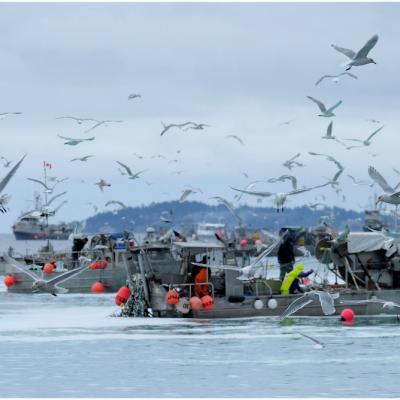
Ancient harvests: A history of Salish Sea herring
Scientists believe that herring have been a staple of Salish Sea food and culture since humans first arrived here at least 12,500 years ago. That importance has continued into modern times, even as herring numbers have declined in parts of the region.
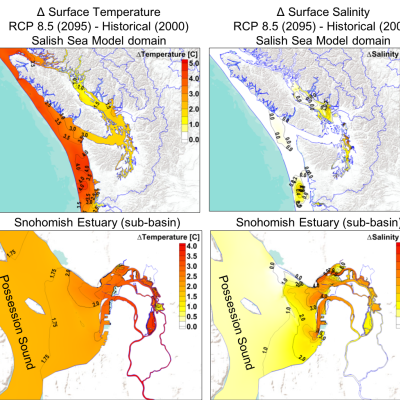
Salish Sea Model looks at climate impacts on the nearshore
A 2019 paper in the Journal of Geophysical Research: Oceans outlines how the Salish Sea Model describes the impacts of climate change, sea level rise and nutrient loads on the region's nearshore environment.