

All Articles
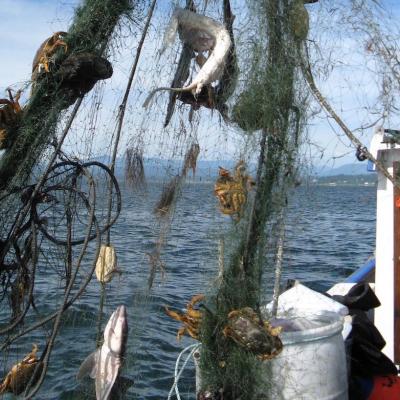
Ghost nets still fishing in the deep waters of Puget Sound
New technology is helping to remove deadly “ghost nets” that have been lost in the depths of Puget Sound. It is part of an effort that saves millions of animals every year, but managers say better reporting of these lost nets by fishermen is still needed.

The herring defenders
Each winter and spring, researchers survey the sometimes spectacular spawning events of Puget Sound's Pacific herring. They have found wide swings in the fish's population and an overall decline in herring numbers since the 1970s, but little is known about the cause or what this might mean for the health of the food web. We spent a day with a biologist spotting herring eggs and considering the
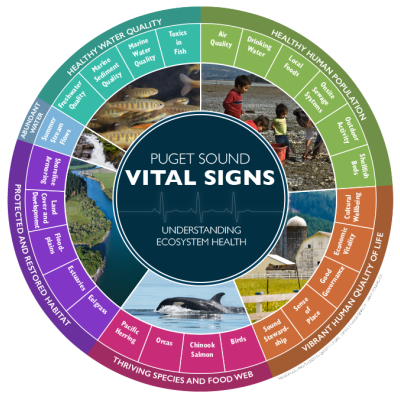
Toxics in Fish Implementation Strategy
The Toxics in Fish Implementation Strategy is a recovery plan that will guide funding and activities to reduce the impacts of toxics contaminants on marine fish and the humans that consume them. A final version of the plan was published in May 2021.
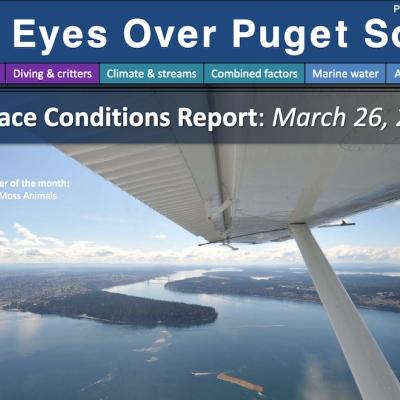
Eyes Over Puget Sound: Surface Conditions Report - March 26
Following a generally warmer and drier winter and then a cold spell in February, Puget Sound waters are cold for anchovies. The productive season is in full swing with algal blooms spotted in South Sound, Kitsap Peninsula, and Quartermaster Harbor. Jellyfish are abundant in some inlets, and Noctiluca stains the water orange in Hood Canal. We collect monthly data to keep you informed about the
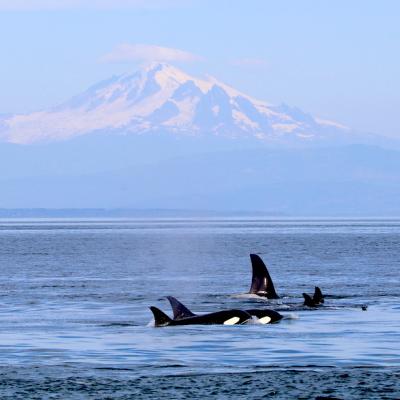
Social networks a key to orca survival
Understanding the social networks and family bonds of Puget Sound's southern resident orcas may be critical to keeping the endangered whales from extinction. A healthy population is about more than numbers, scientists say. It's about connections.
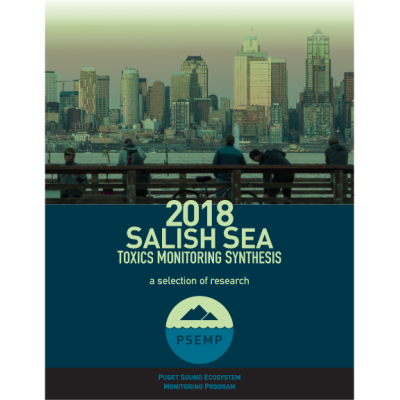
2018 Salish Sea toxics monitoring synthesis: A selection of research
A 2019 report from the Puget Sound Ecosystem Monitoring Program presents an overview of selected recent monitoring and research activities focused on toxic contaminants in the Salish Sea.
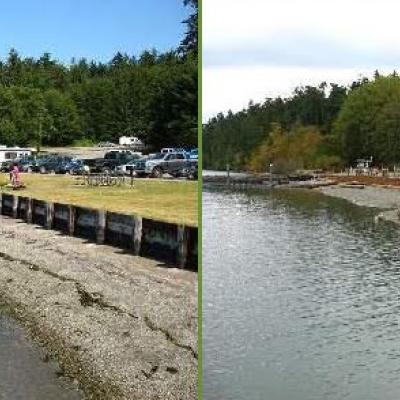
Tracking the effectiveness of armor removal in Puget Sound
The removal of shoreline armoring has become a priority for the state's Puget Sound recovery efforts. The Puget Sound Ecosystem Monitoring Program (PSEMP) is providing details on the effectiveness of armor-removal projects at 49 study sites.
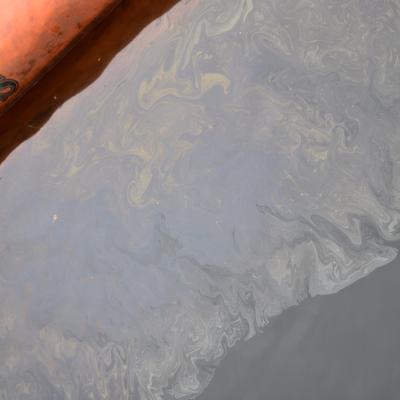
Risk of a major oil spill generates action in Olympia
Bills in the state legislature target oil spill threats to Puget Sound and its endangered killer whales.
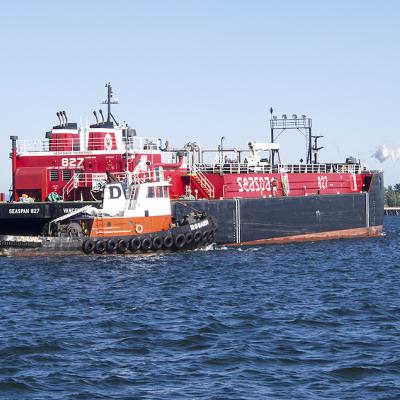
Oil spill risks by the numbers
An EPA-funded study of oil spill risks in Puget Sound forms the basis of new legislation to regulate vessel traffic in the region. We break down some of the numbers from the study and look at where the risks may be greatest.
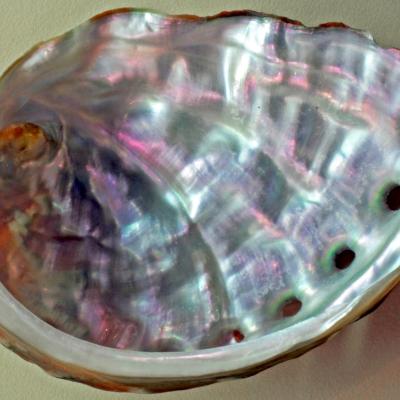
The survival of hatchery‐origin pinto abalone Haliotis kamtschatkana released into Washington waters
In Washington State, the pinto abalone (Haliotis kamtschatkana) has declined by 97 percent since 1992 and is unlikely to recover without intervention. A captive rearing and restocking pilot study shows promise for saving wild populations from local extinction.