

All Articles
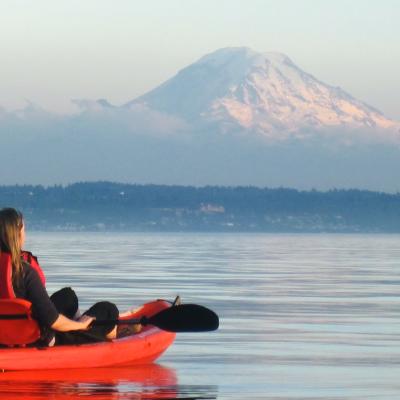
Whose Puget Sound?: Examining place attachment, residency, and stewardship in the Puget Sound region
A 2020 article in the journal Geographical Review examines the current status of place attachment among Puget Sound residents in connection with environmental stewardship behaviors. The authors challenge often-touted negative perceptions of the region’s newcomers and conclude that residents, new and old, share a strong positive place attachment and sense of pro-environmental stewardship.
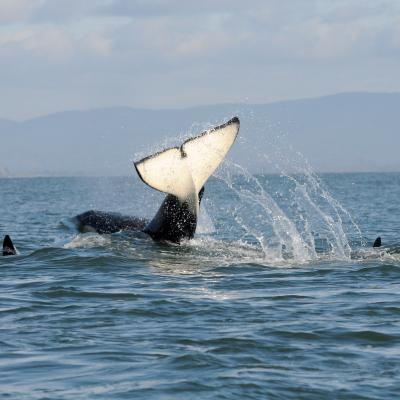
Orcas without borders
The Salish Sea’s endangered southern resident orcas travel freely across the U.S.-Canada border, unconstrained by political boundaries. But while they don’t require passports, they can still face differing policies and conditions as they go back and forth between nations. We look at some of the ways that the United States and Canada compare in their efforts to protect the whales.
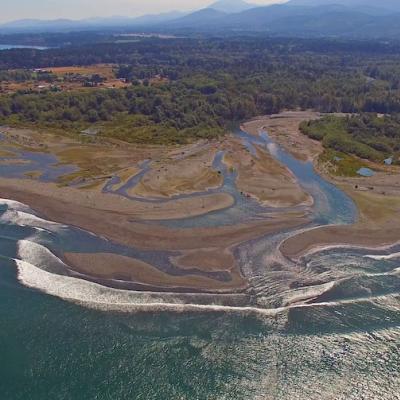
Seawall removal reaps benefits of Elwha recovery
The Elwha River has become famous as the site of the largest dam removal project in U.S. history. Several years ago, scientists began knocking down another barrier about a mile away from the river's delta. They removed a large seawall along the Salish Sea shoreline and discovered that sediment from the dam removal had huge benefits for their project.
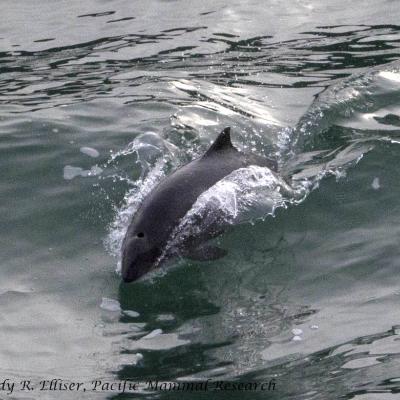
Prey-related asphyxiation in harbor porpoises
A paper published in the journal Oceans in 2020 describes cases of prey-related asphyxiation in harbor porpoises along the U.S. West Coast. The findings suggest that a majority of cases involve non-native American shad and that asphyxiation tends to occur more with reproductively active females than other age and sex classes.
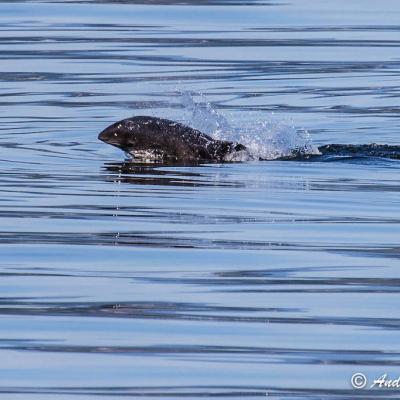
Fungal disease a rising concern for local marine mammals
A 2020 paper published in Frontiers in Marine Science describes details of the fungal disease Mucormycosis which has caused the death of harbor porpoises, harbor seals and one orca in Puget Sound in recent years. The authors discuss the implications for local marine mammals, specifically the endangered southern resident killer whale population.
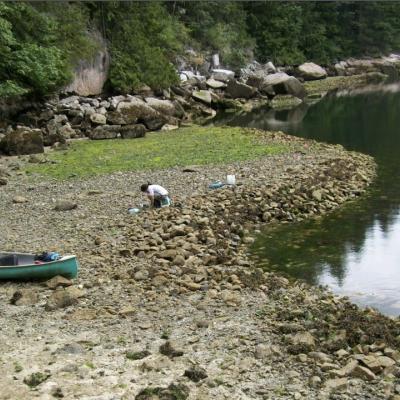
How to plan a clam garden
The revival of an Indigenous aquaculture practice has come to the southern Salish Sea. Clam gardens could help First Nations in British Columbia and Washington state address issues of climate change and food sustainability.
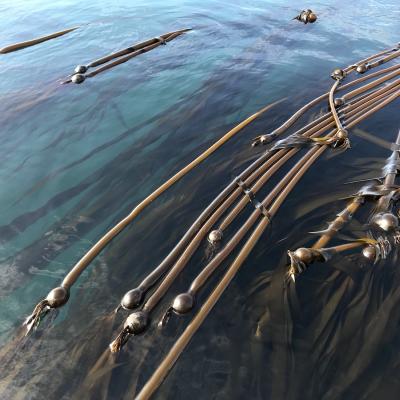
A seed bank for the sea
Identifying kelp stocks that are tolerant of warmer waters could help the Salish Sea’s iconic underwater forests survive climate change.
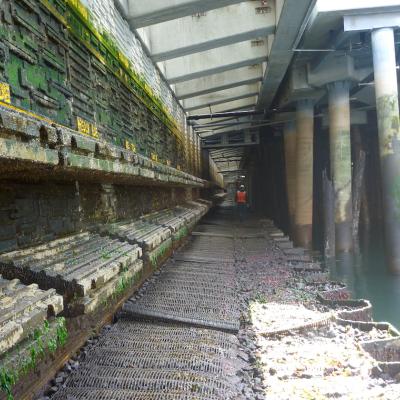
New Seattle seawall improves migratory pathway for young salmon
Design innovations at the new seawall along Seattle's waterfront could inspire improvements for other shoreline structures around Puget Sound. They may even encourage broader regulatory changes that enhance habitat for migrating salmon and other species.
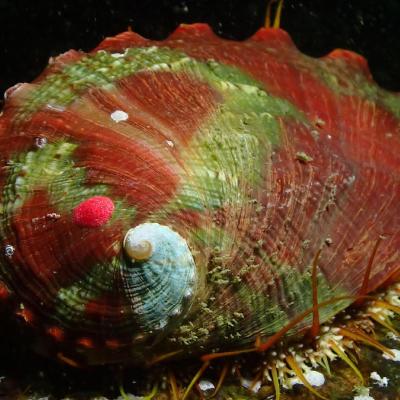
Delicious and now endangered: Can the pinto abalone make a comeback?
The pinto abalone was a popular sport catch for divers in the Salish Sea until its numbers plummeted to near extinction. Now, the marine snail is on the endangered species list and the focus of an ambitious hatchery and replanting program. A broad coalition of partners has released more than 20,000 young pintos into the wild with the hope that the population will start to rebound.
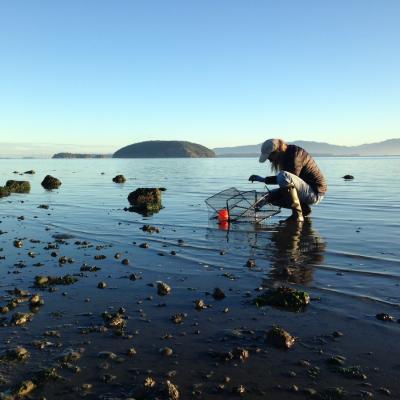
Search for invasive green crab continues during pandemic
The state's stay-at-home order has halted much of the field research that would normally be underway in Puget Sound this spring, but a small group of scientists and volunteers have been able to continue their search for an invading marauder along the shoreline. Their work has been classified as critical by the state.