Nearshore habitat

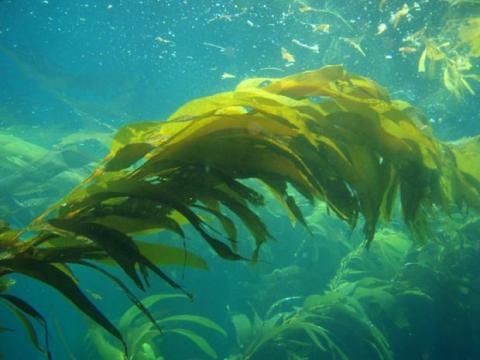
The nearshore habitat of Puget Sound is usually defined as the area from the bluffs that line the shore to the area where water becomes too deep for light to penetrate and allow plants to grow, measured relative to mean lower low water (MLLW). It includes marine habitat and estuarine habitat, but stops at the farthest reach of the tide into an estuary, or the point where saltwater no longer mixes with fresh. Within Puget Sound’s nearshore are many varied habitat types, including rocky and sandy beaches, mudflats, salt marshes, kelp and eelgrass beds, and lagoons.

Sources:

Puget Sound Nearshore Ecosystem Restoration Project: http://www.pugetsoundnearshore.org/technical_reports.html.

Overview

The Puget Sound Nearshore Ecosystem Restoration Project (PSNERP) works to assess the health of Puget Sound nearshore environments and provides strategies for their protection and restoration. 

PSNERP logo

Related Articles

New studies show that eelgrass wasting disease is more common in warmer waters, leading to concerns over the future effects of climate change on eelgrass populations in Puget Sound. We continue our series on science findings from the 2018 Salish Sea Ecosystem Conference.  

Kelps are large seaweeds in the order Laminariales that form dense canopies in temperate rocky intertidal and subtidal habitats less than 30 m in depth. The kelp flora of the Pacific Northwest is one of the most diverse in the world.

Under the federal Clean Water Act, states are required to assess the quality of their surface waters and compile a list of polluted water bodies. The law mandates cleanup plans to address pollution and other water-quality problems. This article describes how this process works in Washington state for dissolved oxygen. 

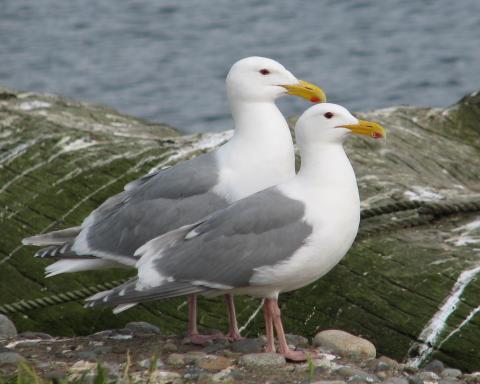
A 2017 paper in the journal Northwestern Naturalist looks at distribution patterns for Glaucous-winged Gulls across associated habitats in the Salish Sea.  

Researchers are trying to determine which chemicals in stormwater are contributing to the deaths of large numbers of coho salmon in Puget Sound. It has prompted a larger question: What exactly is in stormwater, anyway?

A 2017 paper in the journal Aquatic Mammals reports that harbor seals in the Salish Sea are less concerned about predators when they become habituated to humans.