Nearshore habitat

The nearshore habitat of Puget Sound is usually defined as the area from the bluffs that line the shore to the area where water becomes too deep for light to penetrate and allow plants to grow, measured relative to mean lower low water (MLLW). It includes marine habitat and estuarine habitat, but stops at the farthest reach of the tide into an estuary, or the point where saltwater no longer mixes with fresh. Within Puget Sound’s nearshore are many varied habitat types, including rocky and sandy beaches, mudflats, salt marshes, kelp and eelgrass beds, and lagoons.

Sources:

Puget Sound Nearshore Ecosystem Restoration Project: http://www.pugetsoundnearshore.org/technical_reports.html.

Overview

The Puget Sound Nearshore Ecosystem Restoration Project (PSNERP) works to assess the health of Puget Sound nearshore environments and provides strategies for their protection and restoration. 

PSNERP logo

Related Articles

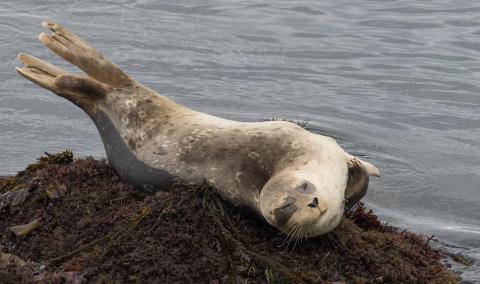
Increased consumption of Chinook salmon by seals and sea lions in the Salish Sea “could be masking the success of coastwide salmon recovery efforts,” according to a new study published in the journal Scientific Reports. Endangered resident orcas are said to be declining in part due to a lack of available Chinook, the orcas' preferred prey.

Climate change could cause sea levels to rise more than four feet in some parts of Puget Sound, leaving shoreline residents with some tough decisions. Experts say fighting the waves with conventional seawalls may not be the answer.

The average worldwide sea level has increased more over the past 150 years than during the previous 1,500 years, experts say, and the seas continue to rise at an ever-increasing pace.

Toxic chemicals have been showing up in Puget Sound fish for more than a century, but consistent testing over the past 30 years has helped to reveal some unusual patterns of pollution.

In recent decades, hundreds of millions of dollars have been spent to restore habitat for Puget Sound salmon. In this article, we look at how scientists are gauging their progress. Are environmental conditions improving or getting worse? The answer may depend on where you look and who you ask.

A biennial report produced by the Governor's Salmon Recovery Office provides stories and data about salmon, habitat, and salmon recovery in Washington, including Puget Sound.