Nearshore habitat

The nearshore habitat of Puget Sound is usually defined as the area from the bluffs that line the shore to the area where water becomes too deep for light to penetrate and allow plants to grow, measured relative to mean lower low water (MLLW). It includes marine habitat and estuarine habitat, but stops at the farthest reach of the tide into an estuary, or the point where saltwater no longer mixes with fresh. Within Puget Sound’s nearshore are many varied habitat types, including rocky and sandy beaches, mudflats, salt marshes, kelp and eelgrass beds, and lagoons.

Sources:

Puget Sound Nearshore Ecosystem Restoration Project: http://www.pugetsoundnearshore.org/technical_reports.html.

Overview

The Puget Sound Nearshore Ecosystem Restoration Project (PSNERP) works to assess the health of Puget Sound nearshore environments and provides strategies for their protection and restoration. 

PSNERP logo

Related Articles

The Puget Sound Ecosystem Monitoring Program released its fifth annual Marine Waters Overview this week. The report provides an assessment of marine conditions for the year 2015 and includes updates on water quality as well as status reports for select plankton, seabirds, fish and marine mammals.

Another European green crab has been spotted in Puget Sound prompting concern that the species may gain a foothold in the region. 

Sand lance in parts of British Columbia are ingesting small pieces of plastic that may be passed through the food web.

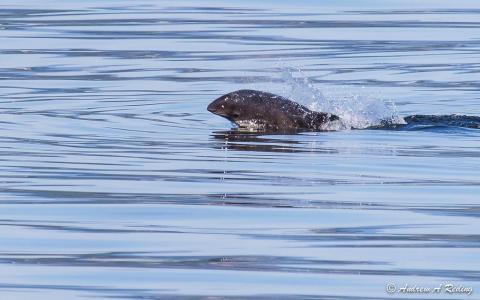
After an almost complete collapse in the 1970s, harbor porpoise populations in Puget Sound have rebounded. Scientists are celebrating the recovery of the species sometimes known as the "puffing pig." 

Concerns over the potential arrival of the European green crab have inspired a small army of volunteers. A search is underway for early signs of an invasion.

Almost twenty years ago, volunteer biologists began an intensive survey for invasive species in the marine waters of Puget Sound. In a little over a week of hunting, they found 39 such species, including 11 never before seen in the region.