Nearshore habitat

The nearshore habitat of Puget Sound is usually defined as the area from the bluffs that line the shore to the area where water becomes too deep for light to penetrate and allow plants to grow, measured relative to mean lower low water (MLLW). It includes marine habitat and estuarine habitat, but stops at the farthest reach of the tide into an estuary, or the point where saltwater no longer mixes with fresh. Within Puget Sound’s nearshore are many varied habitat types, including rocky and sandy beaches, mudflats, salt marshes, kelp and eelgrass beds, and lagoons.

Sources:

Puget Sound Nearshore Ecosystem Restoration Project: http://www.pugetsoundnearshore.org/technical_reports.html.

Overview

The Puget Sound Nearshore Ecosystem Restoration Project (PSNERP) works to assess the health of Puget Sound nearshore environments and provides strategies for their protection and restoration. 

PSNERP logo

Related Articles

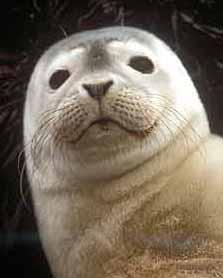
Why did all the grebes leave? Where did they go? And what does their disappearance say about the health of the Salish Sea? Seasonal declines among some regional bird species could hold important clues to the overall health of the ecosystem.

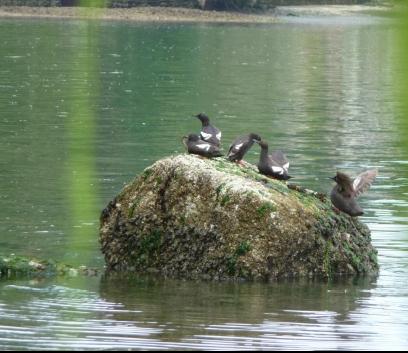
A 2014 report describes a research and monitoring study of Pigeon Guillemot conducted in and near the Nisqually Reach Aquatic Reserve. 

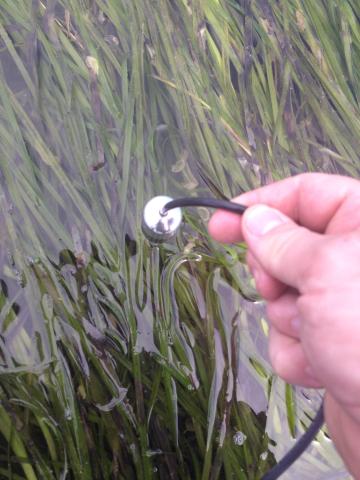
Eelgrass in Puget Sound makes a noticeable bubbling sound as it expires oxygen on sunny days during the spring and summer.

This paper appears in the July 2014 issue of the journal Coastal Management, which focuses on the role of social sciences in Puget Sound ecosystem recovery.

A study published in the journal Coastal Management generates a broad description of the collaborative network among marine and nearshore researchers in Puget Sound and identifies incentives and barriers to collaboration.

The July 2014 issue of the journal Coastal Management focuses on the role of social sciences in Puget Sound ecosystem recovery. Articles range from political ecology to the development of human wellbeing indicators and directly address current Puget Sound restoration efforts. Guest editors include Encyclopedia of Puget Sound topic editor Kelly Biedenweg and Puget Sound Science Panel co-chair Katharine Wellman. The journal is co-edited by Patrick Christie of our editorial board. Extended abstracts of the articles will be available on these pages in coming weeks.