Nearshore habitat

The nearshore habitat of Puget Sound is usually defined as the area from the bluffs that line the shore to the area where water becomes too deep for light to penetrate and allow plants to grow, measured relative to mean lower low water (MLLW). It includes marine habitat and estuarine habitat, but stops at the farthest reach of the tide into an estuary, or the point where saltwater no longer mixes with fresh. Within Puget Sound’s nearshore are many varied habitat types, including rocky and sandy beaches, mudflats, salt marshes, kelp and eelgrass beds, and lagoons.

Sources:

Puget Sound Nearshore Ecosystem Restoration Project: http://www.pugetsoundnearshore.org/technical_reports.html.

Overview

The Puget Sound Nearshore Ecosystem Restoration Project (PSNERP) works to assess the health of Puget Sound nearshore environments and provides strategies for their protection and restoration. 

PSNERP logo

Related Articles

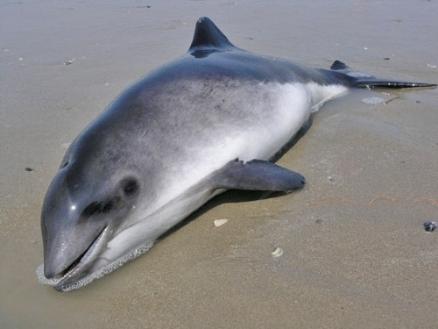
Harbor porpoises were once common in Puget Sound, but had all but disappeared from local waters by the 1970s. Regular and numerous anecdotal sightings in recent years show that populations of these cetaceans are now increasing and may be approaching their former status. The attached document from NOAA Fisheries describes harbor porpoise numbers and their geographic range in Puget Sound as of 2011. 

HARBOR PORPOISE (Phocoena phocoena vomerina): Washington Inland Waters Stock (NOAA Fisheries 2011)

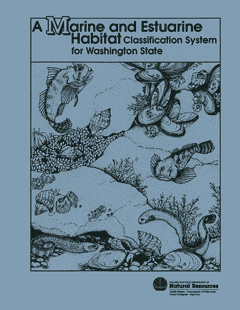
Species and their habitats are a foundation of the ecosystem framework, but there is currently no generally agreed upon habitat classification system for Puget Sound. The closest thing for its marine and nearshore environments may be Dr. Megan Dethier’s 1990 resource A Marine and Estuarine Habitat Classification System for Washington State. Much of the work for that document was done in the general vicinity of Puget Sound, and it has been an influential resource for major habitat mapping efforts in the region, such as Shorezone.

The Puget Sound Model was designed and built in the early 1950s at the University of Washington School of Oceanography as a research and teaching tool for understanding Puget Sound circulation patterns.

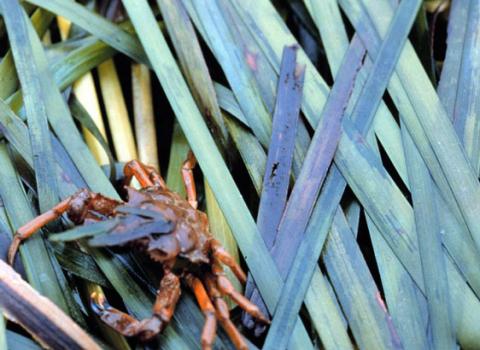
A paper in the February 2014 journal Diseases of Aquatic Organisms examines the effect of leaf age on wasting disease in eelgrass across sites in the San Juan Archipelago. Co-author: Encyclopedia of Puget Sound topic editor Joe Gaydos. 

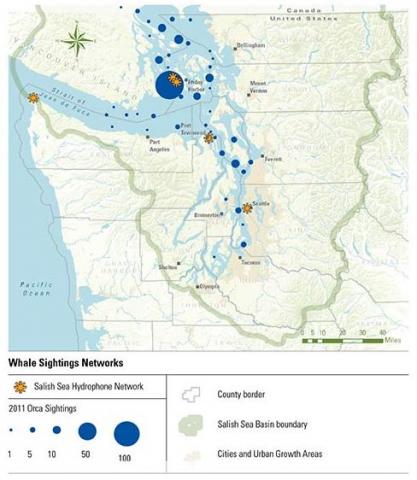
The Salish Sea Hydrophone Network and Orca Network are two citizen science projects dedicated to furthering our understanding of abundance, distribution, behavior, and habitat use by the endangered population of Southern Resident Killer Whales, also called orcas. The Hydrophone Network lets the public listen for orcas through their computers and phones, while the Orca Network gathers and disseminates sightings of orcas as they move between Puget Sound, the Fraser River, and the Pacific Ocean.

A Washington State Department of Ecology report establishing benthic indicators for Puget Sound. Benthic macrofauna are known to be good indicators of the status of marine environments, and benthic indices are often used as an assessment tool.