Nearshore habitat

The nearshore habitat of Puget Sound is usually defined as the area from the bluffs that line the shore to the area where water becomes too deep for light to penetrate and allow plants to grow, measured relative to mean lower low water (MLLW). It includes marine habitat and estuarine habitat, but stops at the farthest reach of the tide into an estuary, or the point where saltwater no longer mixes with fresh. Within Puget Sound’s nearshore are many varied habitat types, including rocky and sandy beaches, mudflats, salt marshes, kelp and eelgrass beds, and lagoons.

Sources:

Puget Sound Nearshore Ecosystem Restoration Project: http://www.pugetsoundnearshore.org/technical_reports.html.

Overview

The Puget Sound Nearshore Ecosystem Restoration Project (PSNERP) works to assess the health of Puget Sound nearshore environments and provides strategies for their protection and restoration. 

PSNERP logo

Related Articles

The Puget Sound Nearshore Ecosystem Restoration Project (PSNERP) works to assess the health of Puget Sound nearshore environments and provides strategies for their protection and restoration. 

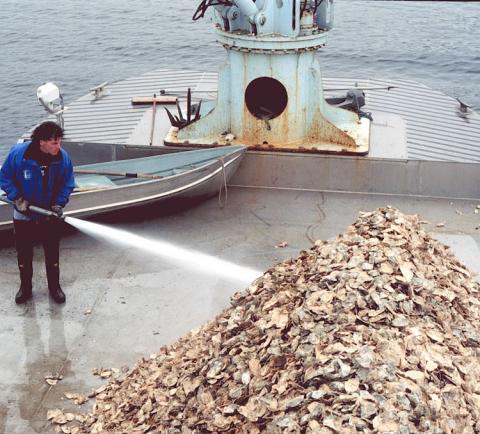
A January 2014 USGS report discusses approaches for measuring the effect of bivalves on nutrient availability in different regions of Puget Sound.

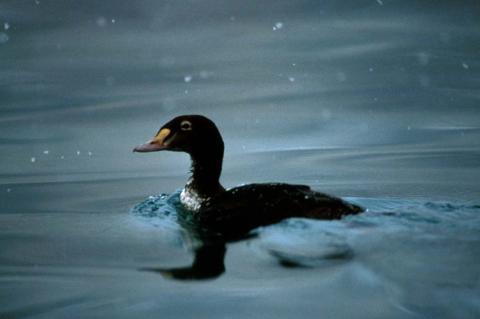
A December 2013 report identifies marine and terrestrial bird species for use as indicators within the Puget Sound Partnership's "Vital Signs" for ecosystem health. 

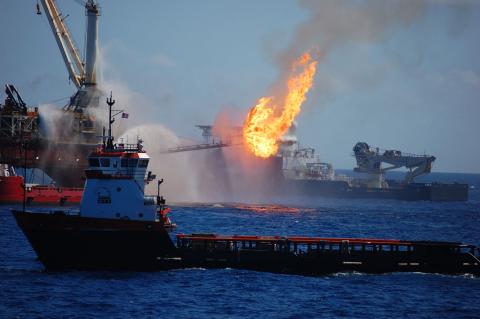
Scientists argue that environmental disasters are inevitable and that it is just a matter of when and where they will occur. "Our coasts and oceans routinely experience significant environmental crises," writes Dr. Usha Varanasi, who makes a case for staying ahead of the curve and "frontloading the science." Her 2013 paper in the Washington Journal of Environmental Law & Policy proposes a new model for ecological disaster planning and response, in which baseline ecosystem data and syntheses are collected in advance of possible incidents. 
 

A December 2013 report by the University of Washington Climate Impacts Group projects wide reaching change for the Puget Sound ecosystem and the Pacific Northwest. Lead author: Encyclopedia of Puget Sound climate change topic editor Amy Snover.

A November 2013 literature review by Washingtom Sea Grant synthesizes the state of the science of geoduck clams and the potential environmental impacts of geoduck aquaculture in the Puget Sound region.