Nearshore habitat

The nearshore habitat of Puget Sound is usually defined as the area from the bluffs that line the shore to the area where water becomes too deep for light to penetrate and allow plants to grow, measured relative to mean lower low water (MLLW). It includes marine habitat and estuarine habitat, but stops at the farthest reach of the tide into an estuary, or the point where saltwater no longer mixes with fresh. Within Puget Sound’s nearshore are many varied habitat types, including rocky and sandy beaches, mudflats, salt marshes, kelp and eelgrass beds, and lagoons.

Sources:

Puget Sound Nearshore Ecosystem Restoration Project: http://www.pugetsoundnearshore.org/technical_reports.html.

Overview

The Puget Sound Nearshore Ecosystem Restoration Project (PSNERP) works to assess the health of Puget Sound nearshore environments and provides strategies for their protection and restoration. 

PSNERP logo

Related Articles

This page includes documents and links related to the status of Steller Sea Lion in Washington state and the Salish Sea region. 

Download presentations from the Study Panel on Ecosystem-based Management of Forage Fish held August 25, 2013 at the University of Washington’s Friday Harbor Lab, San Juan Island.

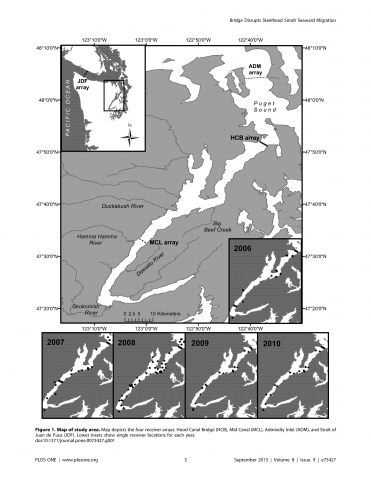
A new study provides strong evidence of substantial migration interference and increased mortality risk associated with the Hood Canal Bridge for aquatic animals, and may partially explain low early marine survival rates observed in Hood Canal steelhead populations.

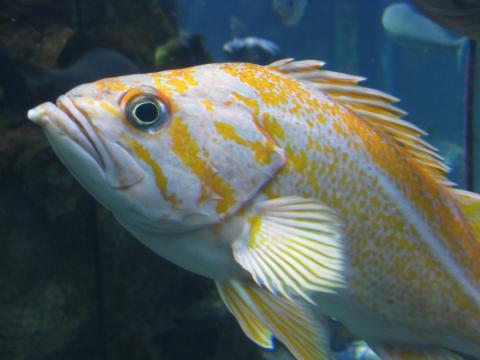
The National Marine Fisheries Service has released a Draft Biological Report proposing designation of critical habitat for yelloweye rockfish, canary rockfish, and bocaccio in the Salish Sea. Download the full report and supporting data.

The Puget Sound Marine Waters 2012 Overview from the Puget Sound Ecosystem Monitoring Program synthesizes conditions measured in 2012 and has been expanded to include observations on seabirds that rely on marine waters. Read an excerpt below, or download the full report.

In the 1970s and 1980s, research from a division of NOAA's Montlake Lab suddenly changed the way scientists and the public viewed the health of Puget Sound. Their discovery of industrial toxics in the region's sediment-dwelling fish led to the creation of two Superfund sites, and new approaches to ecosystem management across the Sound. The man at the forefront of this research was Dr. Donald Malins, featured here as part of the Puget Sound Voices series.