Nearshore habitat

The nearshore habitat of Puget Sound is usually defined as the area from the bluffs that line the shore to the area where water becomes too deep for light to penetrate and allow plants to grow, measured relative to mean lower low water (MLLW). It includes marine habitat and estuarine habitat, but stops at the farthest reach of the tide into an estuary, or the point where saltwater no longer mixes with fresh. Within Puget Sound’s nearshore are many varied habitat types, including rocky and sandy beaches, mudflats, salt marshes, kelp and eelgrass beds, and lagoons.

Sources:

Puget Sound Nearshore Ecosystem Restoration Project: http://www.pugetsoundnearshore.org/technical_reports.html.

Overview

The Puget Sound Nearshore Ecosystem Restoration Project (PSNERP) works to assess the health of Puget Sound nearshore environments and provides strategies for their protection and restoration. 

PSNERP logo

Related Articles

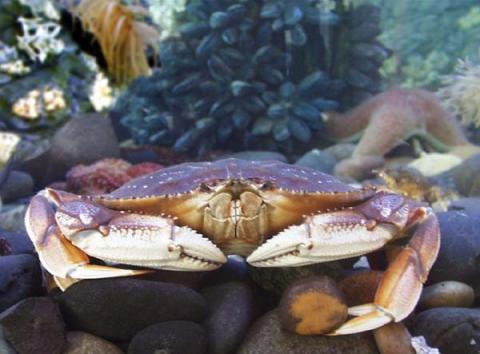
Dungeness crabs are an important resource in Puget Sound for recreational, commercial, and tribal fisheries. They utilize a variety of habitats over the course of their lives, and are vulnerable to shifts in ocean temperature and water quality.

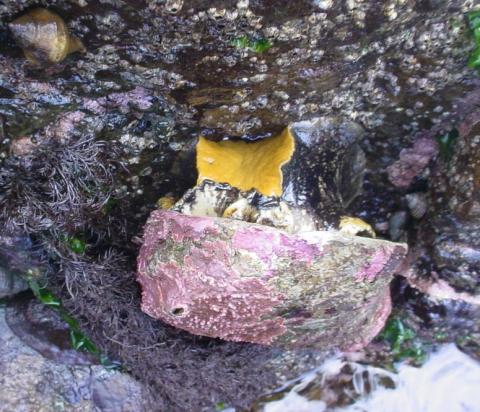
Pinto abalone are the only abalone species found in Washington State.

Many types of bivalves, both native and non-native, flourish in Puget Sound. These species are a crucial part of the Puget Sound ecosystem and are also important for commercial fisheries.

Washington State's ocean acidification initiative began with the launch of Governer Christine Gregoire's Blue Ribbon Panel on Ocean Acidification in December 2011. The initiative is the first of its kind in the country, and a report commissioned by the Global Ocean Health Program was released in November 2012. The report is a first step towards assessing and improving the tools at hand.

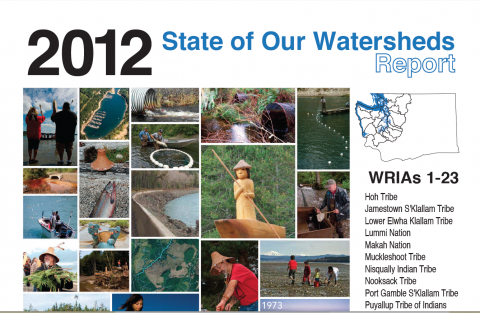
The State of Our Watersheds Report is produced by the treaty tribes of western Washington, and seeks to present a comprehensive view of 20 watersheds in the Puget Sound region and the major issues that are impacting habitat.

Protection Island, a National Wildlife Refuge in the Strait of Juan de Fuca, provides important habitat for seabirds and marine mammals.