Nearshore habitat

The nearshore habitat of Puget Sound is usually defined as the area from the bluffs that line the shore to the area where water becomes too deep for light to penetrate and allow plants to grow, measured relative to mean lower low water (MLLW). It includes marine habitat and estuarine habitat, but stops at the farthest reach of the tide into an estuary, or the point where saltwater no longer mixes with fresh. Within Puget Sound’s nearshore are many varied habitat types, including rocky and sandy beaches, mudflats, salt marshes, kelp and eelgrass beds, and lagoons.

Sources:

Puget Sound Nearshore Ecosystem Restoration Project: http://www.pugetsoundnearshore.org/technical_reports.html.

Overview

The Puget Sound Nearshore Ecosystem Restoration Project (PSNERP) works to assess the health of Puget Sound nearshore environments and provides strategies for their protection and restoration. 

PSNERP logo

Related Articles

This is the executive summary from a technical report produced for the Puget Sound Nearshore Partnership on Valued Ecosystem Components (VEC). The entire document is included as a PDF with this summary.

This technical report produced for the Puget Sound Nearshore Partnership on Valued Ecosystem Components (VEC) summarizes existing knowledge of salmon use of nearshore habitats in order to help protect and restore these habitats.

This is the executive summary from a technical report produced for the Puget Sound Nearshore Partnership on Valued Ecosystem Components (VEC). The entire document is included as a PDF with this summary.

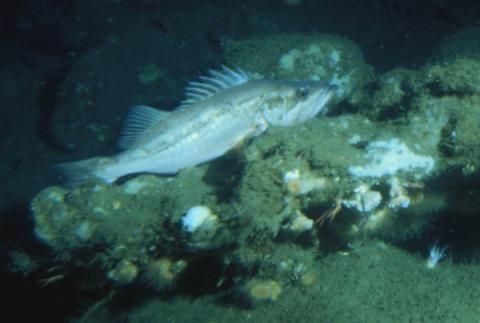
Canadian and U.S. governments differ on special status for bocaccio in the Salish Sea. 

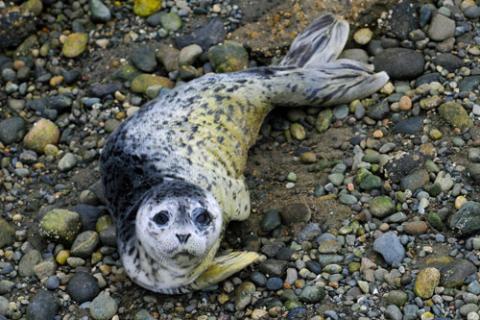
Harbor seal numbers were severely reduced in Puget Sound during the first half of the twentieth century by a state-financed population control program. This bounty program ceased in 1960, and in 1972, harbor seals became protected under the federal Marine Mammal Protection Act and by Washington State.

Fish in the family Salmonidae (salmon, trout, and charr) play potentially integral roles in the upland freshwater, nearshore and pelagic marine ecosystems and food webs of Puget Sound.