Nearshore habitat

The nearshore habitat of Puget Sound is usually defined as the area from the bluffs that line the shore to the area where water becomes too deep for light to penetrate and allow plants to grow, measured relative to mean lower low water (MLLW). It includes marine habitat and estuarine habitat, but stops at the farthest reach of the tide into an estuary, or the point where saltwater no longer mixes with fresh. Within Puget Sound’s nearshore are many varied habitat types, including rocky and sandy beaches, mudflats, salt marshes, kelp and eelgrass beds, and lagoons.

Sources:

Puget Sound Nearshore Ecosystem Restoration Project: http://www.pugetsoundnearshore.org/technical_reports.html.

Overview

The Puget Sound Nearshore Ecosystem Restoration Project (PSNERP) works to assess the health of Puget Sound nearshore environments and provides strategies for their protection and restoration. 

PSNERP logo

Related Articles

An independent review conducted by the Puget Sound Institute (PSI) is featured in findings by the Environmental Protection Agency and the Washington State Department of Ecology that there is currently “no compelling evidence” that humans are the cause for recent trends in declines in dissolved oxygen in Hood Canal.

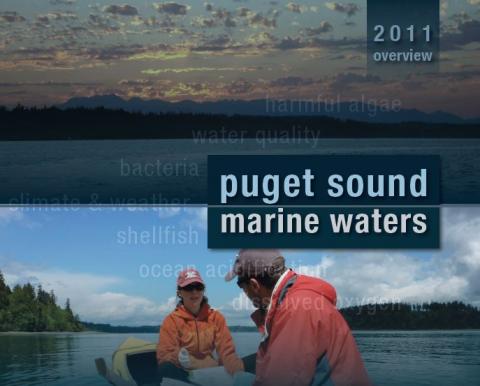
The Puget Sound Marine Waters 2011 report is now available. The report was produced by the Puget Sound Ecosystem Monitoring Program and assesses the condition and quality of the waters of Puget Sound. 

Forage fish occupy every marine and estuarine nearshore habitat in Washington, and much of the intertidal and shallow subtidal areas of the Puget Sound Basin are used by these species for spawning habitat.

The Tulalip reservation is located near Marysville, Washington. It was created after the Point Elliott Treaty of 1855, and currently has a population of 2,500 members. The entire tribal population is approximately 4,000 and growing. 

Tulalip Tribes Area of Concern:

The Snohomish River basin, part of the region where the Tulalip tribes focus restoration efforts, suffers from extensive shoreline armoring and a history of draining and clearing wetland habitat. In order to protect salmon stocks, the tribes closed many of their usual and accustomed fishing areas to Chinook harvest, and have worked to reduce potentially harmful impact of hatchery fish

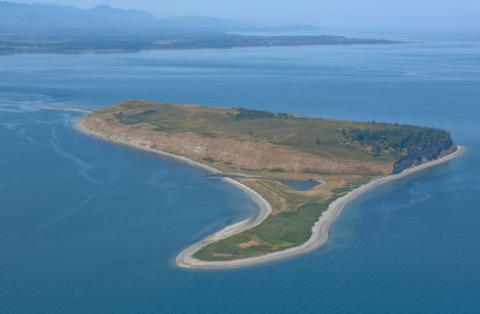
Audio recordings of rhinoceros auklets on Protection Island.

King County contains four major marine habitats: backshore, intertidal and shallow subtidal, deep subtidal, and riverine/sub-estuarine. Descriptions of each of these habitats and the types of flora and fauna associated with them are provided below.