

All Articles
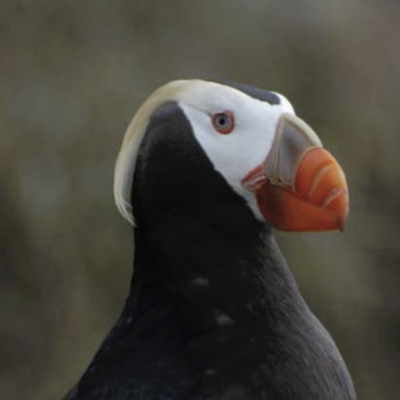
Tufted Puffin (Fratercula cirrhata)
With its striking plumage and brilliant orange bill, the Tufted Puffin is an iconic seabird well known to native peoples, fishermen, and coastal communities throughout its range in the temperate and sub-arctic North Pacific. Though pelagic in winter, puffins gather on islands and headlands during spring and summer to breed and raise their young. They are members of the auk family, with stocky
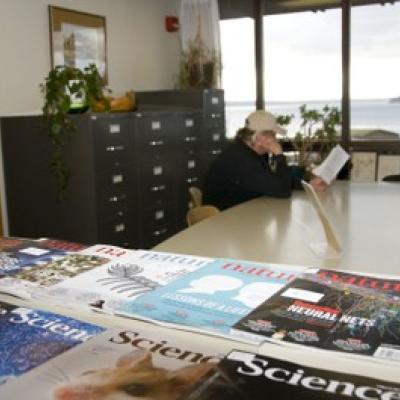
Friday Harbor Library at the University of Washington
The Friday Harbor Library supports the interdisciplinary science community of the Friday Harbor Laboratories, University of Washington's marine research station in the San Juan Islands of Washington.
An inland sea high nitrate-low chlorophyll (HNLC) region with naturally high pCO2
A 2015 paper in the journal Limnology and Oceanography presents new data on ocean acidification in the Salish Sea.
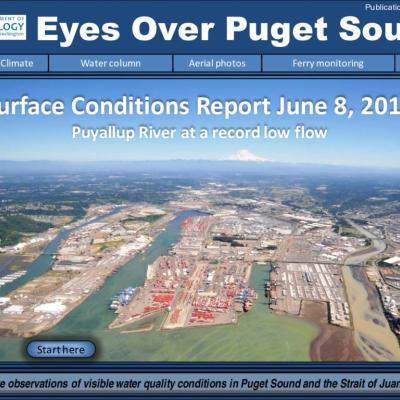
Eyes Over Puget Sound: Surface Conditions Report - June 8, 2015
Record warm water temperatures and low oxygen continue in Ecology’s Puget Sound marine monitoring station network. Record low stream flows result in visibly low river discharge into Puget Sound, in particular for the Puyallup River. Abundant sun and unusually warm water temperatures fuel phytoplankton blooms in many areas. Bright orange Noctiluca blooms are surfacing in the Commencement Bay areaDissolved oxygen and hypoxia in Puget Sound
Hypoxia, defined as dissolved oxygen (DO) concentrations less than 2 mg / L, has become widespread throughout estuaries and semi-enclosed seas throughout the world (Diaz 2001).
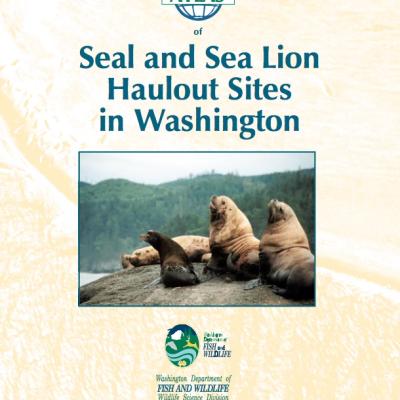
Atlas of seal and sea lion haulout sites in Washington
A 2000 report from the Washington Department of Fish and Wildlife provides information on haulout sites for harbor seals, Steller sea lions, California sea lions, and northern elephant seals located in Washington waters.
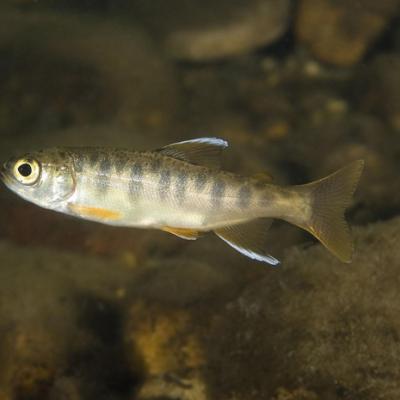
Spatial and temporal patterns in smolt survival of wild and hatchery coho salmon in the Salish Sea
Scientists say low marine survival rates threaten Puget Sound coho salmon populations. A 2015 article in the journal Marine and Coastal Fisheries reports that wild cohos in the Salish Sea had higher smolt survival rates over a 30 year period than hatchery coho salmon. Smolt survival in the Strait of Georgia during that time declined faster than it did in Puget Sound.
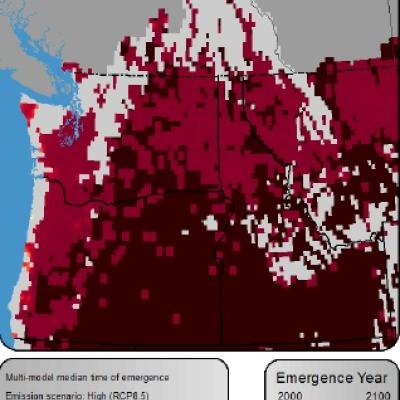
Time of emergence of climate change signals in the Puget Sound Basin
A December 2014 report from the University of Washington examines when and where climate change impacts will occur in the Puget Sound watershed.
Online resource identifies 'time of emergence' for Puget Sound climate impacts
When and where will we see the impacts of climate change in Puget Sound? A web-based tool factors in dozens of site-specific variables for watersheds throughout the Pacific Northwest. The resource was developed by the University of Washington Climate Impacts Group with support from the EPA, the US Army Corps of Engineers and the Center for Data Science, University of Washington-Tacoma.
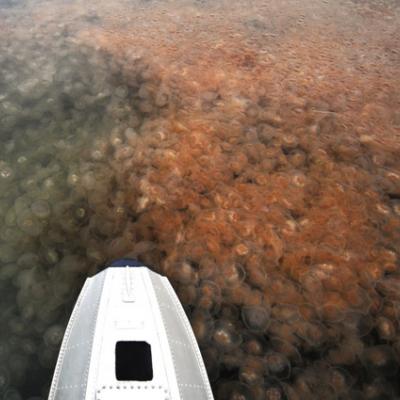
Forty years of change in forage fish and jellyfish abundance across greater Puget Sound, Washington (USA): anthropogenic and climate associations
A 2015 paper in the Marine Ecology Press Series reports a trend toward more jellyfish and less of some forage fish species in Puget Sound. The paper analyzes more than 40 years of state data, and assesses potential human causes for the shift.