

All Articles
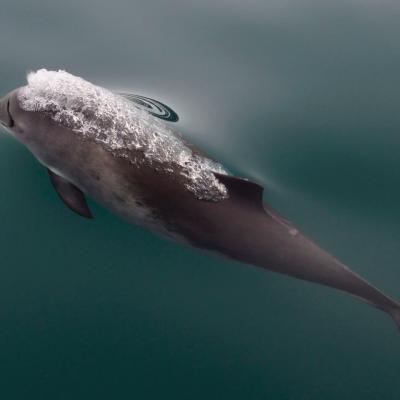
Population structure and intergeneric hybridization in harbour porpoises Phocoena phocoena in British Columbia, Canada
A 2014 paper in Endangered Species Research suggests that harbour porpoises inhabiting coastal waters of southern British Columbia constitute a single genetic population, which should be reflected in management decisions.
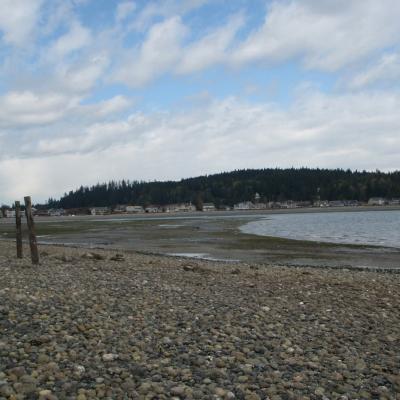
Shellfish restoration and protection in Kitsap Public Health District
A 2014 report by the Kitsap Public Heath District describes the goals and achievements of the Shellfish Restoration and Protection Project including: increasing harvestable shellfish growing areas, establishing a routine shoreline monitoring program, improving water quality, and increasing education of water quality and shellfish protection.
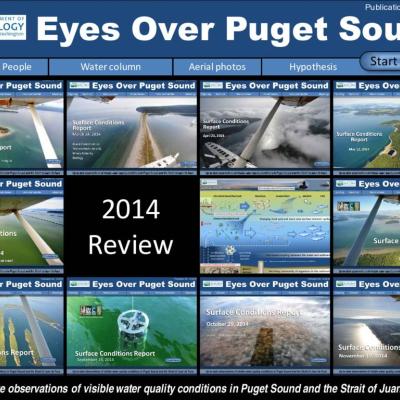
Eyes Over Puget Sound: Surface Conditions Report - December 30, 2014
The year 2014 in pictures: In 2014, Puget Sound and Hood Canal behaved distinctly different in temperature and dissolved oxygen. In Puget Sound, generally warmer conditions, abundant and diverse algal blooms, and large pools of organic material persisted along with lower oxygen, high jellyfish abundances, and a lot of suspended sediment. On the other hand, Hood Canal was colder, more oxygenated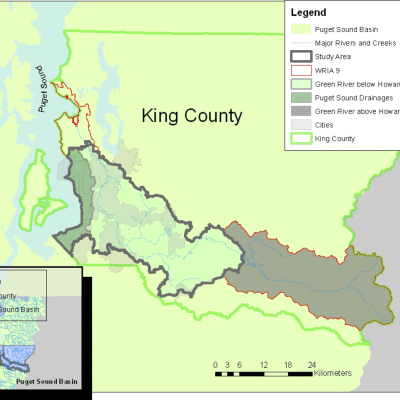
Development of a stormwater retrofit plan for Water Resources Inventory Area (WRIA) 9: Comprehensive needs and cost assessment and extrapolation to Puget Sound
A 2014 King County report projects the capital and maintenance costs of the stormwater treatment facilities that would be needed, within WRIA 9 and the Puget Sound region, to fully comply with the Clean Water Act.

Stormwater fixes could cost billions
Pollution from stormwater has been called one of the greatest threats to Puget Sound. How much will it cost to hold back the rain? A new EPA-funded study says the price could reach billions per year, a figure that dwarfs current state and federal allocations.
Influence of climate and land cover on river discharge in the North Fork Stillaguamish River
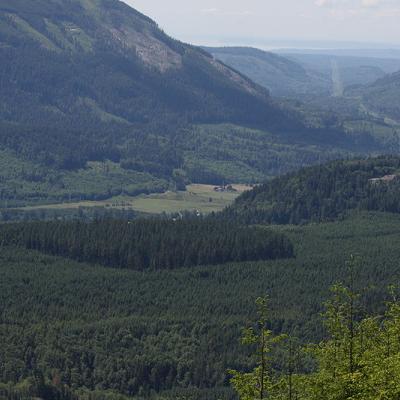
A 2014 report prepared by the Stillaguamish Tribe analyzes potential causes of changes in peak and low flows in the Stillaguamish River basin.
Measuring human wellbeing indicators for Hood Canal
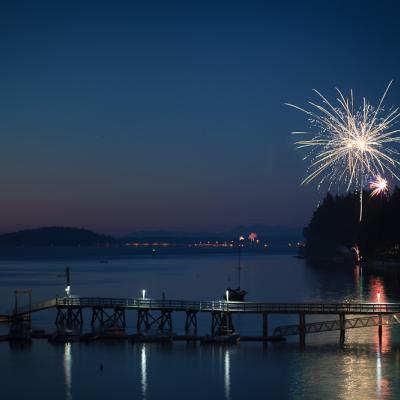
This 2014 Puget Sound Institue report shows baseline data, surveyed from Hood Canal residents, of four subjective indicators: accessing locally harvested products, experiencing positive emotions, working with community members to solve natural resource issues, and knowledge gained from different communication sources.
Biennial Science Work Plan for 2014-2016
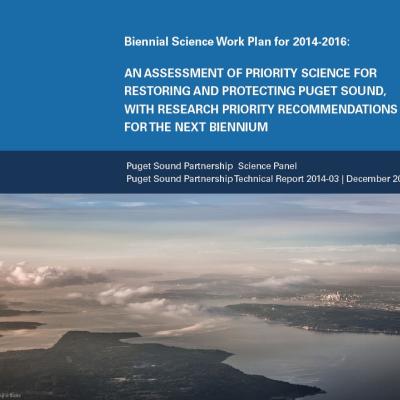
Every two years, statute requires the Puget Sound Partnership to produce a Biennial Science Work Plan (BSWP). Its primary purposes are to I) assess how well ongoing research addresses decision-‐critical uncertainties relating to the recovery of Puget Sound; II) identify additional science needs for recovery; III) make recommendations for priority science actions in the coming biennium; and IV)
Reestablishing Olympia oyster populations in Puget Sound, Washington
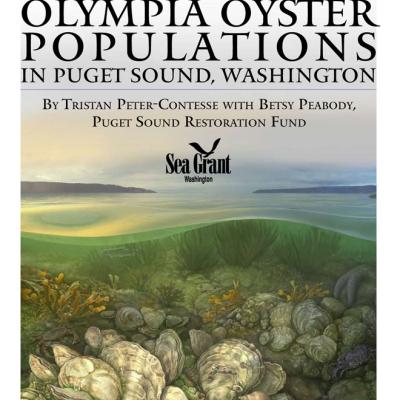
A 2005 report from the Washington Sea Grant Program describing the history and current state of native Olympia oysters including their ecology, history with human interactions, prefered habitat, and reestablishment efforts in the Puget Sound region.
A role for decision science in Puget Sound recovery
The field of decision analysis studies and develops rigorous and practical methods for improving how we make decisions. Over the past three years, the Puget Sound Partnership has invested in decision science expertise in its ongoing role of supporting effective Puget Sound recovery. This paper describes some of these efforts and analyzes several decision support ideals.