All Articles
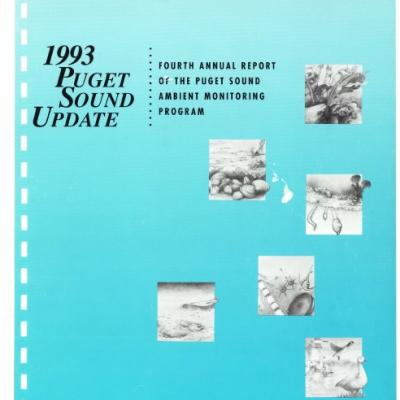
1993 Puget Sound Update
The 1993 Puget Sound Update—the fourth annual report of this program—evaluates the data collected by PSAMP in 1992 (the most recent year for which the data have undergone quality assurance review and interpretation) and compares these data to past information on Puget Sound water quality.
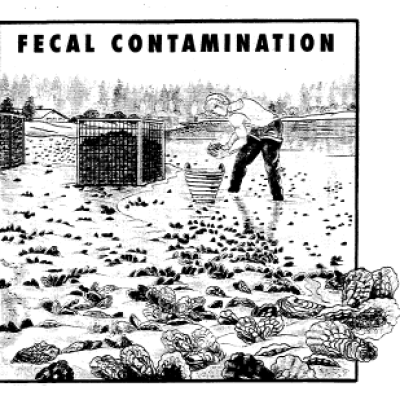
1994 Puget Sound Update
The 1994 Puget Sound Update—the fifth annual summary report of this program—evaluates the data collected by the PSAMP in 1993 (the most recent year for which the data have undergone quality assurance review and interpretation) and compares these data to past information on Puget Sound.
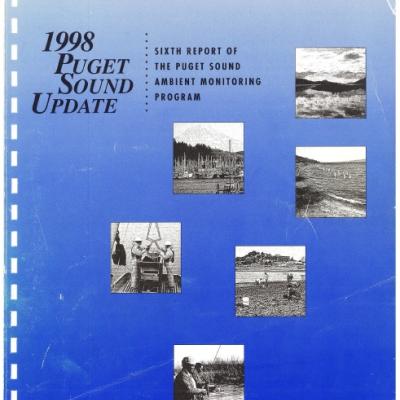
1998 Puget Sound Update
This is the sixth Puget Sound Update, a report for residents of the region about the overall health of Puget Sound. The conclusions in the Update are based mainly on scientific results of the Puget Sound Ambient Monitoring Program (PSAMP).
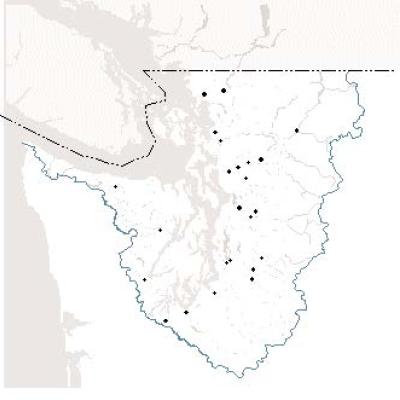
2000 Puget Sound Update
This seventh Puget Sound Update is based primarily on the findings of the Puget Sound Ambient Monitoring Program (PSAMP). The PSAMP is a long-term effort to investigate environmental trends, improve decision-making and prevent overlaps and duplication in monitoring efforts. The results of the PSAMP are supplemented by the findings of many other efforts to evaluate the condition of Puget Sound’s
2002 Puget Sound Update
This Puget Sound Update is the eighth report of the Puget Sound Ambient Monitoring Program (PSAMP) since the program was initiated in 1988 by the State of Washington.
2007 Puget Sound Update
The Puget Sound Update is a technical report that integrates results of PSAMP and other scientific activities in Puget Sound focused on marine life and nearshore habitat, marine and freshwater quality, and toxic contamination.
Puget Sound's Health 1998
In 1996 the Washington State Legislature decided that, in order to effectively target protection efforts in the future, it was time to evaluate how well current efforts to protect Puget Sound are working.
Puget Sound's Health 2000
This is the Puget Sound Water Quality Action Team’s second report on key indicators of Puget Sound’s health. This report has been prepared in response to the Washington State Legislature’s request to evaluate efforts to protect Puget Sound. This second report includes updated information on the 12 indicators originally presented in 1998 as well as information on five new indicators.
Marine shoreline design guidelines
The Washington Department of Fish and Wildlife has published a comprehensive set of guidelines for managing shoreline development such as bulkheads and seawalls.