

All Articles
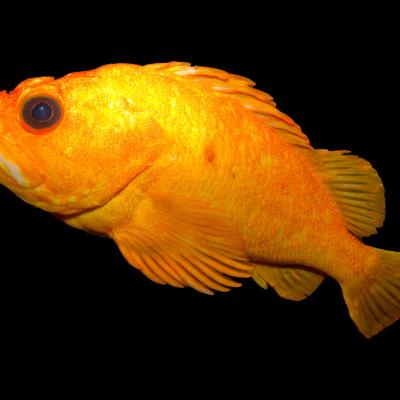
Using stakeholder engagement to inform endangered species management and improve conservation
A 2015 paper in the journal Marine Policy examines surveys of Puget Sound anglers to provide baseline information related to rockfish conservation.
Eyes Over Puget Sound: Surface Conditions Report - February 17, 2015
The ocean and air remain warm with sunshine and dry weather across the region. As a result, Puget Sound is a lot warmer going into the new year. Hood Canal is responding with temperatures warmer than previous measurements, breaking its low temperature stint. First signs of growing phytoplankton are coloring the water green. Patches of jellyfish are overwintering in finger inlets of South Sound
Puget Sound Shoreline Monitoring Toolbox
The Shoreline Monitoring Toolbox standardizes approaches to tracking the status and health of shoreline environments in Puget Sound.
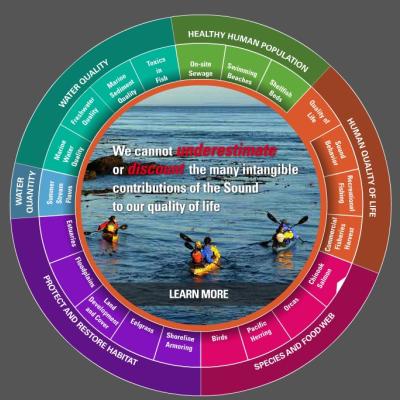
Recommended social indicators for the Puget Sound Partnership: A report summarizing lessons from three local case studies
A 2014 report from the University of Washington Puget Sound Institute identifies 23 potential indicators of human wellbeing in the Puget Sound region. These indicators will inform the adoption of Human Quality of Life "Vital Signs" by the Puget Sound Partnership.
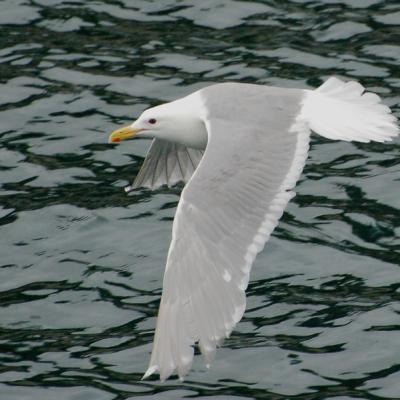
A century of change in Glaucous-winged Gull populations in a dynamic coastal environment
A 2015 paper in the journal The Condor: Ornithological Applications describes century-long trends in Glaucous-winged Gull populations in British Columbia.

Climate change vulnerability and adaptation in the North Cascades Region, Washington
A 2014 report by the North Cascadia Adaptation Partnership identifies climate change issues relevant to resource management in the North Cascades, and recommends solutions that will facilitate the transition of the diverse ecosystems of this region into a warmer climate.
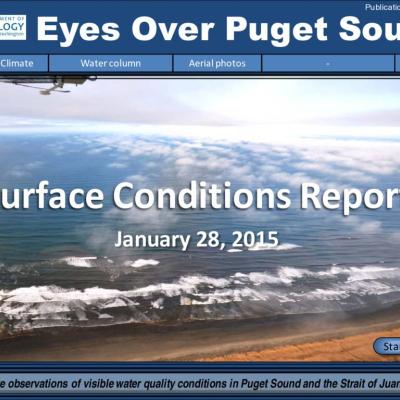
Eyes Over Puget Sound: Surface Conditions Report - January 28, 2015
Warm air and water temperatures and offshore winds have persisted since fall. Numerous and sizable jelly fish patches are still present in southern inlets of Puget Sound. Coastal waters were colored in shades of gray to brown by sediment and humic substances. Phytoplankton blooms were restricted to the surf zone. We were treated to artful views of meandering sloughs and gullies on exposed mud
Airport offers a glimpse at tightening stormwater regulations
How does one of the West's busiest airports deal with extreme stormwater, and what does that mean for water quality standards in the rest of the state?
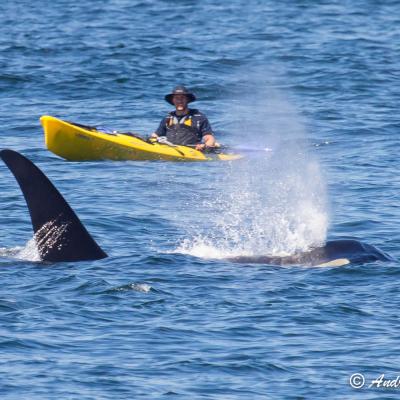
Stimulus-dependent response to disturbance affecting the activity of killer whales
A 2015 paper presented to the International Whaling Commission compares the impacts of kayaks and powerboats on killer whale populations.
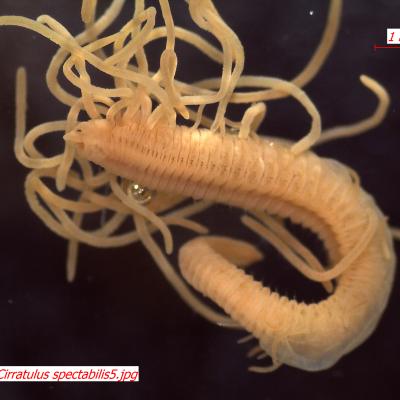
Taxonomic guides to benthic invertebrates of Puget Sound
A 2014 Washington State Department of Ecology report provides a taxonomic guide for Puget Sound sediment-dwelling invertebrates (benthos). Surveys of these species are used to monitor the health of the foodweb, as well as levels of toxic contaminants in the seafloor.