All Articles
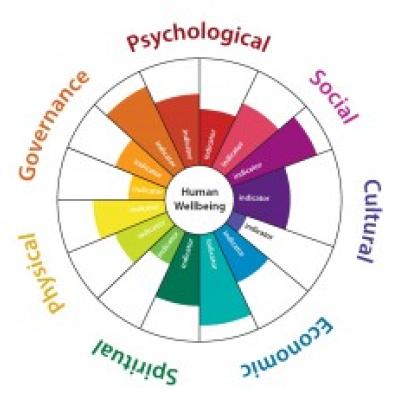
Developing Human Wellbeing Indicators for the Puyallup Watershed
A July 2014 report examines potential human wellbeing indicators for the Puyallup Watershed.
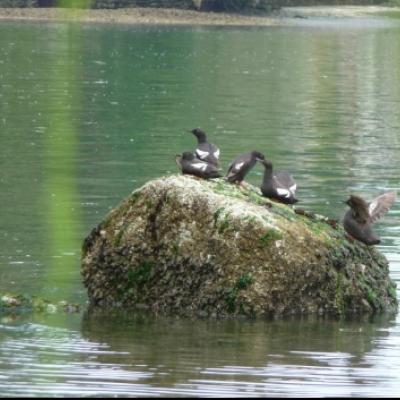
Pigeon Guillemot Foraging and Breeding Survey in and Near the Nisqually Reach Aquatic Reserve
A 2014 report describes a research and monitoring study of Pigeon Guillemot conducted in and near the Nisqually Reach Aquatic Reserve.
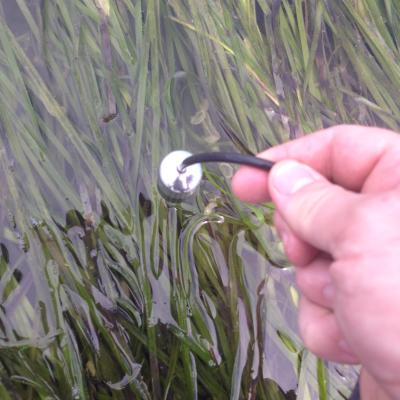
The voice of eelgrass
Eelgrass in Puget Sound makes a noticeable bubbling sound as it expires oxygen on sunny days during the spring and summer.
The Sound Behavior Index: A Management Tool for Behavioral Aspects of Ecosystem Restoration
This paper appears in the July 2014 issue of the journal Coastal Management, which focuses on the role of social sciences in Puget Sound ecosystem recovery.
Developing Human Wellbeing Indicators in the Puget Sound: Focusing on the Watershed Scale
This paper appears in the July 2014 issue of the journal Coastal Management, which focuses on the role of social sciences in Puget Sound ecosystem recovery.
Indigenous Community Health and Climate Change: Integrating Biophysical and Social Science Indicators
This paper appears in the July 2014 issue of the journal Coastal Management, which focuses on the role of social sciences in Puget Sound ecosystem recovery.
Collaboration within the Puget Sound marine and nearshore science network
A study published in the journal Coastal Management generates a broad description of the collaborative network among marine and nearshore researchers in Puget Sound and identifies incentives and barriers to collaboration.
A Complex Tool for a Complex Problem: Political Ecology in the Service of Ecosystem Recovery
This paper appears in the July 2014 issue of the journal Coastal Management, which focuses on the role of social sciences in Puget Sound ecosystem recovery.
Special issue of Coastal Management focuses on social sciences in Puget Sound recovery
The July 2014 issue of the journal Coastal Management focuses on the role of social sciences in Puget Sound ecosystem recovery. Articles range from political ecology to the development of human wellbeing indicators and directly address current Puget Sound restoration efforts. Guest editors include Encyclopedia of Puget Sound topic editor Kelly Biedenweg and Puget Sound Science Panel co-chair