

All Articles
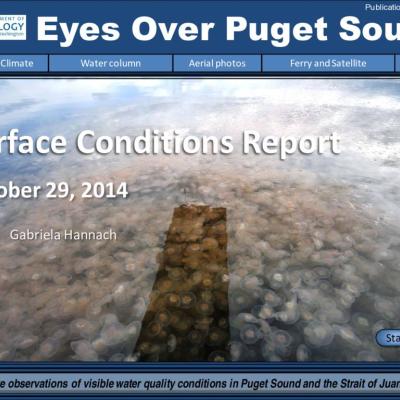
Eyes Over Puget Sound: Surface Conditions Report - October 29, 2014
At the end of summer, water temperatures are still high, and salinities and dissolved oxygen are low in Puget Sound. Both sea surface temperature and upwelling off the coast are elevated (PDO and Upwelling indices) and the the Fraser River flow is low. This combination makes it an interesting fall. Very dense and large patches of jellyfish appear in finger inlets of South Sound. Red-brown blooms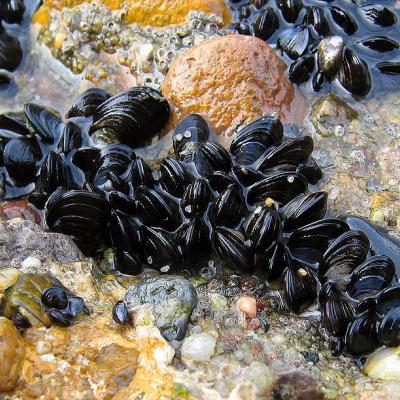
Pierce County shellfish watersheds project
A report from the Tacoma-Pierce County Health Department describes the results of a project to address threats to water quality in Pierce County, focusing on shellfish areas most at risk.

Brighter future for salmon at downtown seawall
The decaying seawall along Seattle’s waterfront is providing scientists with an opportunity to improve long-lost habitat for migrating salmon. It could also show the way for habitat enhancements to crumbling infrastructure worldwide. One University of Washington researcher describes the project.
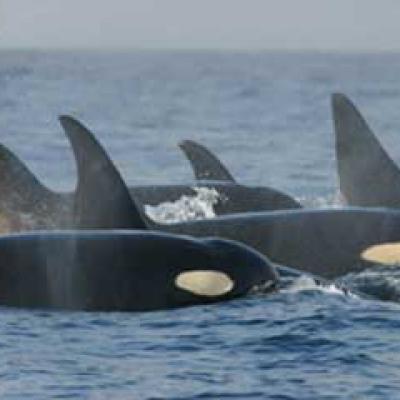
Seeking higher calories for Puget Sound killer whales
A 2014 paper decribes how monitoring the energy density of key Pacific salmon species could affect the recovery of northern and southern killer whales through fisheries management.
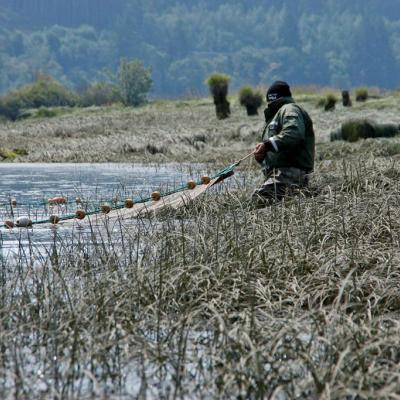
Monitoring and adaptive management of the Nisqually Delta after tidal marsh restoration: Restoring ecosystem function for salmon
This 2009 report by the Nisqually Tribe establishes key measures of restoration development, habitat processes, and Chinook salmon response for the largest delta restoration project in the Pacific Northwest.
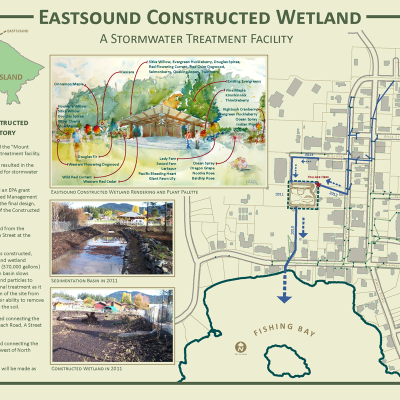
Managing growth in island communities
A 2014 San Juan County report addresses sustainable growth planning, pollution prevention, and mitigation actions in the Eastsound and Westcott Bay areas.
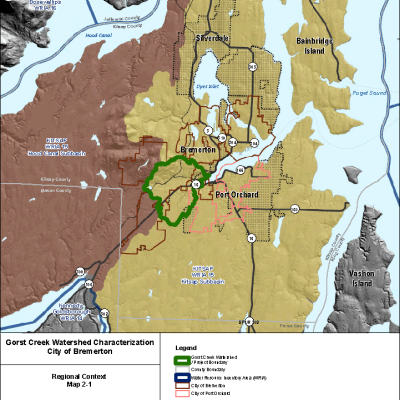
Comprehensive watershed plan for sustainable development and restoration of the Gorst Creek watershed
A 2014 report explains the development of a comprehensive land use plan that is based on the ecological values and functions of the Gorst Creek Watershed in southeast Kitsap County.
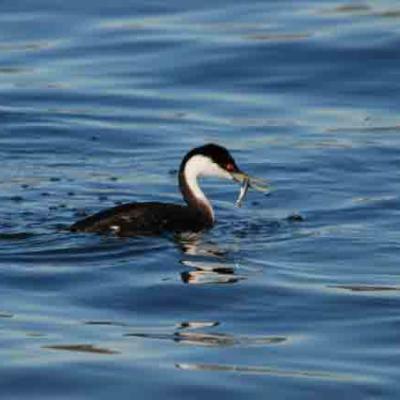
Assessing ecological correlates of marine bird declines to inform marine conservation
Birds that dive for fish while wintering in the Salish Sea are more likely to be in decline than nondiving birds with less specialized diets, according to a 2014 study led by the School of Veterinary Medicine at the University of California, Davis. The study, published in the journal Conservation Biology proposes that long-term changes in the availability of forage fish are pushing the declines.
Citizens now the leading cause of toxics in Puget Sound
New research presented at the 2014 Salish Sea Ecosystem Conference shows that some of the greatest dangers to Puget Sound marine life come from our common, everyday activities. These pervasive sources of pollution are so woven into our lives that they are almost invisible to us, but it’s becoming impossible to ignore their effects.
State of the physical, biological and selected fishery resources of Pacific Canadian marine ecosystems in 2013
A summary of environmental conditions in Pacific Canadian Waters and the broader North East Pacific in 2013.